Cult isolation is horror built from ordinary social levers
Sleep loss, us-versus-them rhetoric, and love-bombing stack until leaving feels impossible—fiction borrows the same toolkit, but real survivors need clarity, not glamor.
Horror
Each entry is sourced, summarized for multilingual audiences, and paired with related facts so you can keep exploring.
Sleep loss, us-versus-them rhetoric, and love-bombing stack until leaving feels impossible—fiction borrows the same toolkit, but real survivors need clarity, not glamor.
When grief becomes a selfie backdrop, communities push back—yet thoughtful visitation can fund preservation and keep history from dissolving.
Echoes, drafts, rust, and maintenance gaps create sensory dramas that folklore names as ghosts—often long before a single staged photo appears.
Sudden panic, whiteouts, and sleep loss can make a trained party act like a ghost story—without any supernatural clause in the footnotes.
Garbled phrases, open mics, and half-finished checklists compress time into dread—yet most anomalies trace to equipment limits, fatigue, and incomplete logs.
The best creepy stories mutate as they travel; tracing their footprints through forums, newsprint, and oral history reveals both origins and why some variants refuse to die.
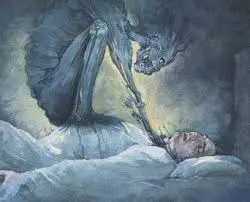
Folklore imagines a witch on your chest; neuroscience shows REM atonia bleeding into wakefulness plus stress, trauma, and sleep debt.
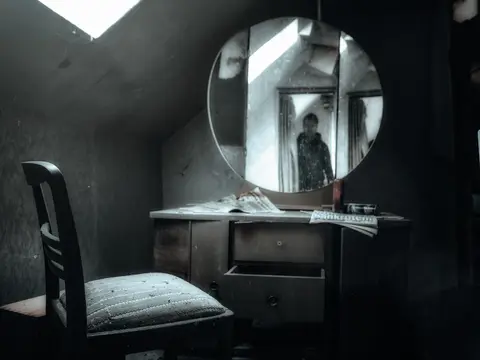
Fixate on a dim mirror and the Troxler effect erases facial edges, letting folklore and fear populate the glass with ghosts.
From Hawaii to Oaxaca, night whistling is treated as a ghostly Morse code, keeping coastal villages quiet enough to hear real danger.
Floating theater barges use surround speakers and water percussion so guests feel the wail circling their trajinera.
Parents describe a gentle forest spirit who shelters lost kids, turning a scary legend into a reminder to head home before dusk.