
Sleep paralysis explains the “night hag” visits
Folklore imagines a witch on your chest; neuroscience shows REM atonia bleeding into wakefulness plus stress, trauma, and sleep debt.
Share this fact
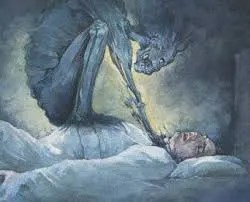
🌘 The folklore headline hides a neurological glitch
Across continents people wake to a crushing weight on the chest, a pressure that feels supernatural precisely because the rest of the body refuses to move. Newfoundland sailors named the visitor the Old Hag, Scandinavian texts warn of the Mare, and Yoruba storytellers talk about Ogun Oru—all describing an entity that steals breath. Neuroscientists now chart the same scene on EEG monitors: the brain flickers into waking consciousness while REM atonia, the muscle-paralyzing safety switch, lingers another 10–120 seconds. The result is a nightmarish overlap where imagination fills in the gaps left by restricted breathing and locked limbs.
1. Biology of a “possession”
- REM atonia keeps skeletal muscles offline so we do not punch, run, or fall out of bed. During an episode, that inhibitory signal overstays its welcome while consciousness returns.
- Hypnopompic hallucinations emerge because the thalamus is delivering dream imagery even though our eyes are open. Vision blurs, and the brain pastes faces or shapes onto wardrobe shadows.
- Chest pressure is the diaphragm working harder against shallow REM breathing. With intercostal muscles still paralyzed, inhalation feels like a weight.
- Auditory distortion (buzzing, radio static, whispers) stems from brainstem arousal systems rebooting asynchronously, a classic parasomnia signature.
Framing each symptom in biology shrinks the monster. The more you can narrate the body’s steps, the less room folklore has to escalate fear responses during future episodes.
2. Night hag names around the world
| Region | Folkloric name | Shared detail |
|---|---|---|
| Newfoundland & Labrador | Old Hag | A crone squats on the chest until someone calls out to God. |
| Scandinavia & Germany | Mare / Mårt | Hooves crush the sleeper; “nightmare” literally descends from this word. |
| Southern United States | Witch riding your back | Spiritual protection rituals focus on brooms and salt at the bedside. |
| Yoruba communities | Ogun Oru | Warrior spirits punish those who ignore ancestral rites; incense is burned afterward. |
| Japan | Kanashibari | “Metal binding” caused by vengeful ghosts or stress during exam season. |
These legends served two purposes: they validated the terrified sleeper and offered a communal script—salt, prayer, charms—to regain control. Modern clinicians use similar logic by giving patients rituals rooted in sleep hygiene and breath work.
3. Risk clusters neurologists watch
- Sleep debt + irregular schedules: Shift workers, new parents, and jet-lagged travelers log more REM rebound, so atonia misfires often.
- Stress and PTSD: Hypervigilant nervous systems hover closer to waking thresholds, increasing the overlap zone.
- Narcolepsy + hypersomnia: REM intrusion is built into these diagnoses; up to 50% of patients report recurrent paralysis with hallucinations.
- Supine sleeping + alcohol: Back sleeping narrows airways, while alcohol blunts the brainstem’s timing cues.
- Vitamin D or magnesium deficiency (still debated): low levels correlate with muscle cramps and poor sleep architecture in small studies.
Clinicians collect this context to decide whether lifestyle tweaking is enough or if a sleep study, iron panel, or mental-health referral is warranted.
4. Build a coping protocol before the next episode

- Evening cue stack: dim lights 90 minutes before bed, sip magnesium or tart cherry tea, and end doomscrolling. Predictable cues stabilize circadian timing.
- Body positioning: wedge a pillow behind your back or use a weighted blanket that encourages side sleeping without overheating.
- Grounding mantra: practice a sentence (“Muscles asleep, mind awake”) while calm, so it auto-plays when paralysis hits.
- Micro-movements: focus on wiggling a toe or blinking. Small motor victories break the atonia loop faster than fighting to sit up, which spikes panic.
- Partner briefing: explain the condition to roommates so they know gentle touch or light can help, not startle.
Quick-reference card
If it starts: Slow exhale, blink twice, wiggle a toe, remind yourself “REM overlap.” Repeat.
Writing this on a bedside sticky note mirrors folklore charms—only now the ritual is evidence-based.
5. When to call a clinician
- Episodes strike weekly or disrupt daytime mood.
- You also experience cataplexy, sudden muscle loss triggered by laughter or emotion.
- There are injuries from thrashing or falling as sleep transitions blur.
- Anxiety or depression symptoms worsen because you dread bedtime.
- You notice sleep apnea signs (snoring, gasping) that can masquerade as paralysis triggers.
Sleep specialists may order polysomnography, adjust medications (SSRIs, sodium oxybate for narcolepsy), or coordinate therapy for trauma-related hyperarousal. Bringing a symptom diary—time to bed, substances, dream content—shortens the diagnostic path.
6. FAQ
Is sleep paralysis dangerous? Not physically, but repeated fear spikes can sabotage mental health. The real risk is avoiding sleep and compounding debt.
Will closing my eyes stop the hallucination? Sometimes—because you reduce sensory mismatch—but the key is breathing slowly until motor control returns.
Can kids get sleep paralysis? Yes, especially teens juggling homework, screens, and irregular bedtimes. Pediatricians still check for narcolepsy or anxiety when episodes persist.
Does sage, salt, or scripture help? Any ritual that lowers heart rate can help. Combine cultural practices with science-backed routines so the brain receives reassurance from every angle.
How long until I feel normal after an episode? Adrenaline can linger for an hour. Light stretching, journaling the experience, and stepping outside for daylight cues help reset the nervous system.
Sleep paralysis reminds us how thin the veil is between dream logic and physiology. Naming each symptom, rehearsing a calm script, and looping clinicians in when patterns escalate turns the “night hag” from a horror trope into a manageable, well-mapped glitch.