Why whistling at night signals spirits in so many cultures
From Hawaii to Oaxaca, night whistling is treated as a ghostly Morse code, keeping coastal villages quiet enough to hear real danger.
Share this fact
🌬️ Why a simple whistle carries ghost stories worldwide
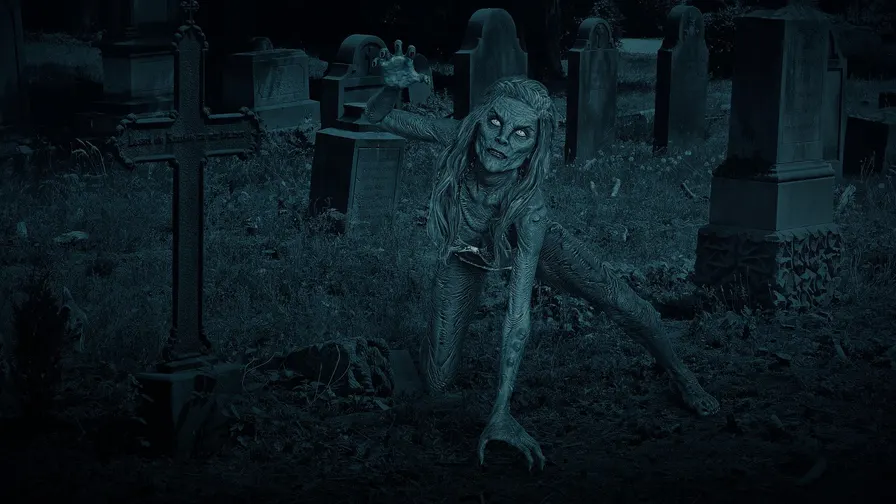
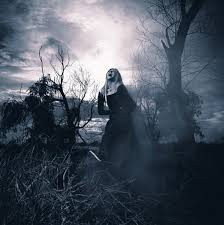
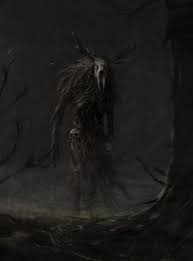
Across the Pacific, elders warn, “Keep your lips still after dusk.” In Hawaii, Hukai’po (spirit marching bands) supposedly match any melody you whistle and drag you into their midnight parade. In Oaxaca, parents whisper that La Llorona announces herself with a descending trill—quiet at first, louder as she nears water. Northwestern First Nations tell of forest spirits who mimic whistling to lure hunters off the trail. One acoustic behavior, three continents, countless hauntings.
1. The acoustic science beneath the superstition
- Directional ambiguity: Whistles lack the low-frequency cues our ears use to locate sound, so they seem to come from everywhere—perfect for ghost stories.
- Nocturnal amplification: Cooler night air bends high pitches back toward the ground, making a single trill soar across canyons or lagoons.
- Predator confusion: Coyotes, owls, even jaguars vocalize in whistle-like bursts. Mistaking them for spirits was safer than ignoring them.
- Emergency code: Fisherfolk developed whistle codes for storms or reef warnings. False alarms risked panic, so communities discouraged casual whistling after dusk.
Knowing the physics does not kill the myth—it explains why the sound feels uncanny.
2. Night-whistling beliefs by region
| Region | Spirit interpretation | Hidden purpose |
|---|---|---|
| Hawaii | Hukai’po will follow your tune and march you into the forest. | Keeps beaches quiet for listening to surf shifts and canoe signals. |
| Philippines | Tikbalang or duwende mimic whistles to disorient travelers. | Encourages respect for forest sanctuaries and night hunters. |
| Mexico & Central America | La Llorona or El Silbón answer with rising whistles. | Warns children away from riverbanks and irrigation canals. |
| Andean highlands | A whistled reply means apus (mountain spirits) disapprove. | Preserves silence so herders can hear avalanches or lost alpacas. |
| Nordic coasts | Nøkken the water spirit copies whistles to tempt sailors. | Stops crew from masking foghorns or lighthouse bells. |
3. Psychology of the warning
- Pattern completion: In the dark, our brain fills gaps. A single trill becomes a conversation.
- Community policing: Labeling night noise “spiritual danger” enforces quiet without needing guards.
- Respect for the dead: Many cultures dedicate nighttime to ancestors. Noise equals disrespect.
- Fear of imitation: Whistling was seen as mocking the wind—provoking storms or gods.
- Memory hooks: Fear-based stories stick, keeping safety lessons alive across generations.
4. Modern reinterpretations
- Noise ordinances borrow the superstition’s tone—“quiet hours” posters feature crescent moons and hushed lips.
- Horror podcasts remix archival whistles to dramatize La Llorona or El Silbón, reviving oral history.
- Game designers use directional audio to mimic off-screen whistles, tapping into the age-old unease.
- Safety campaigns in flood-prone towns still urge quiet listening nights during storm season.
- Mindfulness rituals flip the script: some communities host “silent whistling” ceremonies where the sound is inhaled, not exhaled, as a meditation.
5. Myth vs. observation
| Myth | What observers noticed |
|---|---|
| Whistle and spirits will answer from the trees. | Echoes bounce off cliffs or palms, sounding like a reply. |
| A rising whistle means death is coming. | Incoming squalls or sirens naturally grow louder—so danger really was near. |
| Only witches whistle after midnight. | Night patrols or smugglers used coded whistles; superstition discouraged eavesdroppers. |
| Whistling indoors summons misfortune. | In cramped homes, whistles rattled rafters and woke infants—bad luck for exhausted parents. |
6. FAQ
Is the taboo still enforced? In many Pacific and Latin neighborhoods, yes—elders will shush you, sometimes with a flashlight flicker for extra drama.
What if I whistle quietly? Folklore says spirits have better hearing than you. Practically, even soft trills can mask distant footsteps.
Do any cultures encourage night whistling? A few Siberian groups whistle to guide reindeer, but they pair it with prayers asking spirits for permission first.
Could apps replace whistle codes? Radios help, but batteries die. Communities keep whistle protocols as analog backups.
How do I respect the tradition while traveling? Follow local cues: if sunset brings hush, pocket the tune. Use humming or clapping if you need to signal companions.
Night whistling taboos survive because they braid practical survival with ancestral reverence. The next time you feel a tune on your lips after dark, listen first—maybe the quiet is protecting more than superstition.