

Heat, humidity, and hydration: keeping workouts honest when the air feels thick
Sweat rate climbs, heart rate drifts, and pace lies—here is how to adjust training without pretending it is still February.
10 min read · 10+ locales Read
Fitness
Each entry is sourced, summarized for multilingual audiences, and paired with related facts so you can keep exploring.
Sweat rate climbs, heart rate drifts, and pace lies—here is how to adjust training without pretending it is still February.

Matching sets to daily readiness beats forcing PRs on tired weeks—without abandoning long-term progress.

Stretching feels productive, but many aches respond faster to control, load management, and sleep than to another hour of passive bending.
A modest pack turns walks into posture practice, calf endurance, and grip work without a complicated split routine.

Two-minute movement breaks every hour can blunt post-meal glucose spikes and undo some chair-shaped stiffness without a gym pass.

Deep sleep stages support tissue repair, motor learning consolidation, and appetite regulation—skimping turns hard sessions into injury dice rolls.

Repeated protein-rich meals lift amino acid availability for older adults and busy trainees more reliably than one giant dinner.

Progressive resistance and impact-ready patterns signal bone to stay dense—especially around hips and spine—without reckless volume.

Easy, conversational-pace work trains fat oxidation, capillary density, and cardiac stroke volume—if you actually keep it easy.

Fiber-rich eating, consistent movement, weight care, smoke-free habits, and smart follow-up with your clinician stack together to pull LDL down and support long-term heart health.

Stack tiny movement, light, breath, and food rituals across the day to keep mood-elevating dopamine pulses steady without chasing junk spikes.
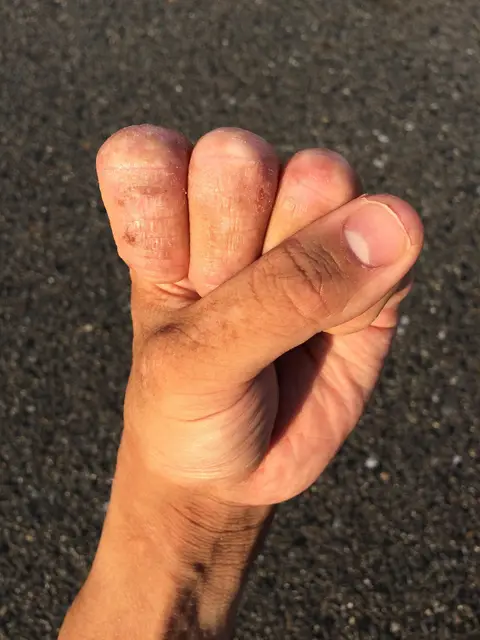
Isometric contractions at 30% max effort trigger vascular nitric oxide, rivaling a brisk walk for blood-pressure relief.

Slowing the lowering phase to three seconds and exploding up teaches fast-twitch fibers to recruit more force with no equipment.

Two weekly bouts of 4×90-second efforts can hold onto aerobic capacity as effectively as hour-long steady runs.

Suspending in a pool with a flotation belt keeps heart rates in zone 2 while unloading sore joints after hard races.