
Four 2-minute grip squeezes lower resting BP by 6 mmHg
Isometric contractions at 30% max effort trigger vascular nitric oxide, rivaling a brisk walk for blood-pressure relief.
Share this fact
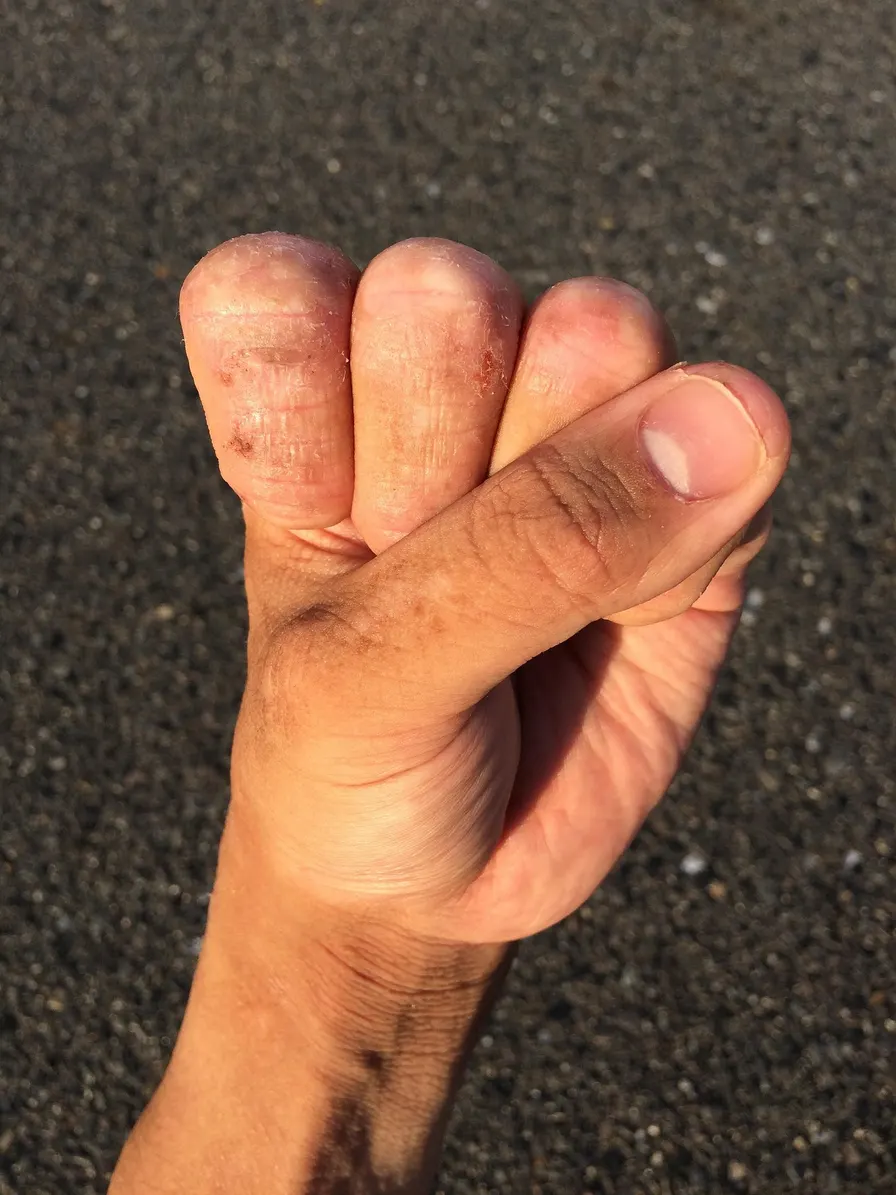
✋ Four 2-minute grip squeezes lower resting BP by 6 mmHg
Isometric grip training is the ultimate micro-dose cardiovascular intervention: eight minutes of work, no sweat, measurable drops in systolic blood pressure. Holding at ~30% of maximal voluntary contraction drives a nitric-oxide surge that relaxes arterial walls, comparable to a brisk walk without leaving your desk.
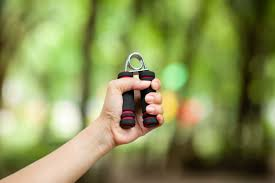
1. Mini gear check
- Grip implement: Hand dynamometer is best for precision, but a stress ball, yoga block, or folded towel works if you rate effort honestly.
- Chair + arm rest: You want 90° at elbow and wrist in neutral so the squeeze stays in the forearm.
- Timer + metronome: Set a subtle vibration every 30 seconds to remind you to scan tension; use metronome taps to pace breathing.
- BP cuff or wearable: Capture readings before the first set and 10 minutes after the fourth to see acute change.
Readiness cue: If your resting heart rate is 5 bpm above baseline or you slept <6 hours, keep effort to 25% that day. Consistency beats intensity here.
2. Protocol map
| Phase | Instruction | Why it matters |
|---|---|---|
| Prep (1 minute) | Take 3 nasal breaths, wiggle fingers, and set effort target at 3/10. | Prevents over-gripping and keeps sympathetic tone low. |
| Hold (2 minutes × 4) | Squeeze to 30% max, breathe 4-count inhale / 6-count exhale, alternate hands. | Shear stress unlocks nitric oxide; longer exhale lowers heart rate. |
| Rest (1 minute between) | Shake hands out, stretch fingers, re-check posture. | Rest keeps total session under 8 minutes while preventing fatigue. |
| Cooldown (2 minutes) | Palms up, extend wrists, note BP readings. | Reinforces parasympathetic state and tracks progress. |
3. Breathing + positioning cues
- Jaw unclenched: Touch tongue to palate to stop jaw compensation.
- Shoulder melt: Every 20 seconds, scan traps; if they lift, exhale and drop them.
- Spine tall, ribs soft: Slight posterior pelvic tilt keeps low back supported.
- Exhale twice as long as inhale: 4-6 breathing ratio keeps systolic pressure from spiking mid-hold.
- Eyes half-closed: Signals the nervous system that this is recovery, not combat.
4. Weekly structure
- Frequency: 3 sessions/week for maintenance; 4 sessions during focused BP blocks.
- Progression: After 6 weeks, retest max grip. If strength improved, recalibrate the 30% value.
- Stacking: Pair with evening walks or yoga; avoid immediately before heavy lifting to keep forearms fresh.
- Habit hook: Anchor to a daily meeting or kettle boil so the 8-minute block never feels optional.
5. Biomarker + note-taking ideas
-
Resting BP: Track morning readings twice weekly; note average drop after 4 weeks.
-
Heart-rate trend: Wearables often show 3–4 bpm resting reduction when protocol is consistent.
-
Perceived calm: Rate session on a 1–5 calm scale; aim for ≥4 to ensure you are relaxing, not bracing.
-
Grip endurance: Time how long you can hold 30% without shaking once a month.
-
Sleep onset: Many athletes fall asleep faster on grip days—log bedtime latency.
-
Morning nitrate log: If you eat beetroot or leafy greens before the session, note it—plasma nitrates plus grip work compound vasodilation.
6. Troubleshooting + FAQ
Hands cramp early? Lower effort to 25% for a week and stretch finger extensors between sets.
No BP change yet? Ensure you’re stacking sessions 48 hours apart and breathing slowly; also reduce caffeine 3 hours pre-session.
Can I use resistance bands instead? Yes—loop a band around both hands and pull apart to 30% tension, keeping elbows on thighs.
What if I have wrist pain? Use a rolled towel with neutral wrist and talk to your clinician before continuing.
Do I need both hands? Yes—alternating prevents asymmetric blood-flow adaptation and keeps the nervous system balanced.
How soon before a BP reading should I do it? Finish at least 10 minutes before your official measurement to let vascular tone settle into the reduced state.
Log it: snap a photo of your BP cuff readings or wearable graph after each session and tag it “grip nitric reset.” Trend lines make adherence easy.
7. Stacking ideas + rehab caveats
- Desk pairing: Run the protocol during long webinars; mute, turn off camera, and let the timer vibrate in your pocket.
- Walk bookends: Do a 10-minute nasal walk before and after to reinforce endothelial health.
- Rehab alignment: If you’re rehabbing tennis elbow, keep effort lower and prioritize eccentric wrist extensor exercises on off days.
- Medication dialogue: Share your log with your cardiologist; they may adjust antihypertensive dosages once BP trends lower.
- Travel mode: Pack a silicone donut or use a hotel towel—no excuses.