
Deep-water running restores stride without pounding
Suspending in a pool with a flotation belt keeps heart rates in zone 2 while unloading sore joints after hard races.
Share this fact
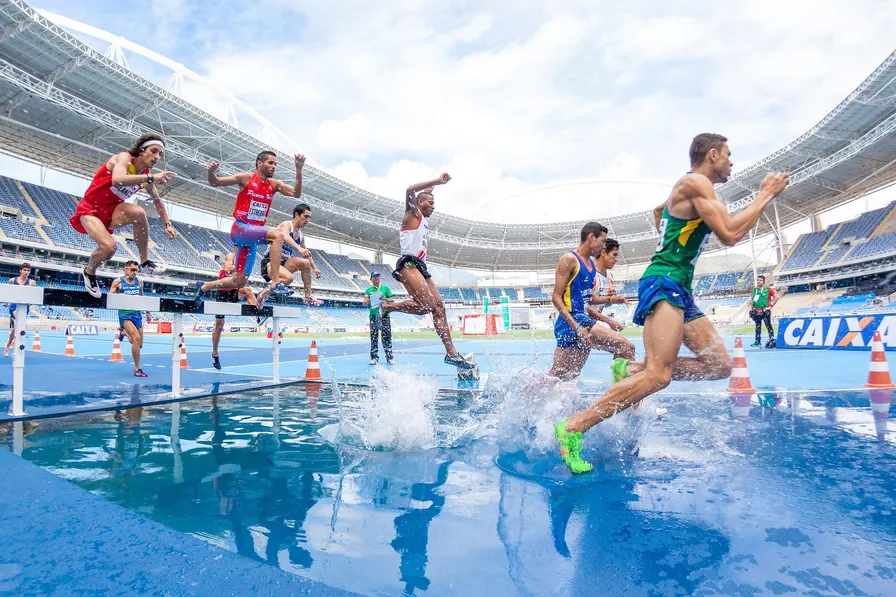
🌊 Deep-water running restores stride without pounding
Hanging in the deep end with a flotation belt unloads up to 90% of bodyweight while keeping cardiovascular demand squarely in zone 2. That makes aqua running the in-between day you can actually stick to after a marathon, long hike, or heavy leg day. The gentle hydrostatic pressure acts like a compressive sleeve so calves feel hugged instead of hammered.
Goal for the session: match your usual easy-run heart-rate cap for 35–50 minutes while logging smooth strides—no heel strike shock, no dreadmill boredom.
1. Gear and setup checklist
- Lane depth: Choose water that is at least 1.5 meters so your feet never touch. Shallow bouncing adds impact back in.
- Flotation belt: Snug the belt just above the hips; a loose belt tilts you backward and overworks hip flexors.
- Hand position: Light fist or relaxed karate-chop hands keep forearms from flaring out and wasting energy.
- Cadence timer: Use a metronome app at 160–180 strides per minute to mirror your land gait.
- Communication: Flag the lifeguard and lane mates that you will be vertical so they give you mid-lane space.
2. Technique cues to keep form honest
- Tall ribs: Stack ribs over hips; hinging at the waist causes you to bicycle kick and lose drive.
- Knee drive, dorsiflex return: Imagine lifting your knee toward the surface, then sweeping the shin down and back with the foot flexed.
- Arm pump mirrors land running: Elbows at ~90°, hands brushing the waterline with each swing to keep rhythm.
- Core brace every third minute: Exhale fully, draw ribs down, and hold a 5-second brace to remind the trunk to stabilize.
- Nose out, mouth out: Gentle exhale through nose and mouth prevents air hunger under steady pressure.
Coach cue: If your cadence drifts below land pace, add a resistance tether or short hand paddles for a set, then remove them. Contrast keeps neuromuscular drive online.
3. Session builder: mix aerobic base and sharpness
| Block | Duration / reps | Heart-rate target | Notes |
|---|---|---|---|
| Warm-up orbit | 6 minutes continuous | Bottom of zone 2 | Sweep arms wide for first minute to feel water density, then settle into run cadence. |
| Base cruise | 3 × 8 minutes (1-minute float reset) | Mid zone 2 (RPE 5–6) | Focus on steady exhales; log HR drift each interval to gauge aerobic control. |
| Neuromuscular strides | 6 × 20-second surges / 40-second easy | High zone 2 touching low zone 3 | Pump arms faster while keeping knees high—no flailing kicks. |
| Cooldown float | 5 minutes | Zone 1 | Drop cadence to 150 spm, loosen jaw, and note how tendons feel. |
4. Monitoring and biomarker prompts
- Morning HRV: If your HRV is suppressed, keep sets short and aerobic. Use the session as circulation therapy, not hero work.
- Achilles pinch test: Before and after the workout, pinch the thickest part of each Achilles. Less tenderness afterward = win.
- Cadence capture: Use a waterproof metronome or smartwatch cadence metric. Variance < 3 spm between sets shows neuromuscular carryover.
- Sleep latency log: Many athletes fall asleep faster on aqua days thanks to parasympathetic dominance—note the bedtime shift.
- Hydration marker: Track weight pre/post. Even in water you sweat; replace every 0.5 kg lost with 500 ml electrolyte mix.
5. Troubleshooting common stalls
Rapid fatigue in shoulders
Lower your hands a few centimeters and think “elbows down/back” rather than “hands out/front.” Water will stop fighting you.
Hip flexors cranky the next day
Drop cadence to 150 spm for one set and emphasize glute squeeze on the back half of the stroke. If pain persists, add ankle weights for 2-minute blocks to cue posterior chain.
Can’t get heart rate up
Switch to fists, lean 5° forward, and add a tether to the ladder for one interval. Remove tether and keep that lean.
6. FAQ
Does aqua running replace my long run? Use it for recovery days or when impact must drop. You still need land miles for connective tissue conditioning.
How often should I schedule it? Most athletes benefit from 1–2 aqua sessions per week during race build, or every other day when rehabbing.
Can I stack strength training after? Yes—dry off, fuel, then lift in 60–90 minutes. Aqua first keeps joints fresh for compound moves.
What about cold pools? Wear a thermal cap or sleeveless wetsuit top if the water is below 25°C so you don’t tense up.
Log it: Screenshot your HR trace, jot Achilles notes, and tag the session “deep-water stride reset.” Patterns emerge after 2–3 weeks, helping you slot aqua days exactly where the body whispers for them.