Indonesia’s Wewe Gombel myth teaches nighttime safety
Parents describe a gentle forest spirit who shelters lost kids, turning a scary legend into a reminder to head home before dusk.
Share this fact

🌗 Indonesia’s Wewe Gombel myth teaches nighttime safety
The Sundanese version of Wewe Gombel paints a tall, owl-eyed spirit perched on rooftops as streetlamps flicker on. Instead of harming children, she scoops up anyone wandering too far from home, tucks them under her batik shawl, and hums lullabies until their parents arrive. In Central Java, elders say, “If Wewe carries you, it is only to keep the night from swallowing you.”
Folklorists note that families revive the story before Ramadan night markets, when kids beg to linger outdoors. Parents retell it again during Independence Day parades, just as vendors string neon lights that can distract little ones from curfews. The myth became a gentle-but-firm safety PSA long before the term existed.

1. Anatomy of the legend
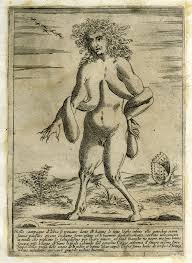
- Appearance: Described as towering, owl-eyed, and draped in batik wings. Her claws are emphasized not as weapons but as “hooks” to hold sleepy children.
- Territory: Roams kampung roofs, banyan trees, and the edges of rice terraces where fog hides irrigation ditches.
- Rules: She only approaches after dusk, never crosses thresholds uninvited, and leaves fruit or honey to calm frightened kids.
- Warning: Children who follow stray kittens or glowing beetles too far hear a hooting lullaby—the cue to rush home.
Rather than a punitive monster, storytellers frame her as a supernatural crossing guard who deters strangers and hazards.
2. Safety cues parents encode in the tale
| Story motif | Practical lesson | Modern echo |
|---|---|---|
| Wewe can see reflective shells | Wear bright elements when walking after sunset. | Schools distribute reflective sashes before night parades. |
| She returns kids only if they shout their address | Memorize home landmarks and phone numbers. | Community centers rehearse emergency contacts during storytelling hour. |
| Her hoot stops when parents arrive | Call out loudly when picking up children in crowded markets. | Neighborhood patrols ring bamboo bells as escort cues. |
| She avoids lit doorways | Keep porch lamps on so kids recognize safe entrances. | LED “Wewe lights” hung outside homes after 6 p.m. |
3. Community programs keep her relevant
- Ramadan night-market briefings: Storytellers roam stalls reminding families to set meet-up points before Maghrib.
- Semarang musical theater: Student troupes stage shadow-puppet shows where Wewe hands out reflective sashes and demonstrates dialing 110 (Indonesian emergency services).
- Patrol mascots: Neighborhood watch teams attach soft owl eyes to vests so kids instantly recognize safe adults.
- Tourism signage: Airports and museums explain the myth in bilingual panels, linking folklore to modern child-safety hotlines.
Each activation keeps the legend playful while reinforcing real contact info, curfews, and buddy systems.
4. Legend timeline
| Era | Key shift | Why it mattered |
|---|---|---|
| 1800s village chronicles | Wewe framed as a vengeful widow-ghost guarding hillsides. | Scared kids from following oil-lamp peddlers into plantations. |
| Early 1900s colonial schools | Teachers softened her image into a guardian who returns missing students. | Aligned folklore with new classroom safety drills. |
| 1980s TV dramatizations | Soap operas depicted Wewe stopping kidnappers in urban alleys. | Connected the myth to city traffic and stranger-danger lessons. |
| Today’s civic campaigns | Mascots, murals, and AR filters show her guiding kids with QR-coded safety tips. | Makes tradition clickable for smartphone-first families. |
5. Quick FAQ
Is Wewe Gombel considered scary or kind? Modern retellings cast her as stern-but-kind—she may startle you with a hoot, but the goal is safe reunions.
Do parents still use the story daily? Yes. In Semarang and Yogyakarta, bedtime includes a short Wewe reminder before kids are allowed to watch TV or play games.
How do authorities participate? Police kiosks near transit hubs feature owl icons and list hotline numbers so children link real officers with the guardian figure.
Can visitors engage respectfully? Photograph murals, attend puppet shows, and echo the etiquette: keep pathways clear, escort younger kids, and learn at least one emergency phrase in Bahasa Indonesia.
If you spot her silhouette on park signage, remember—it is an invitation to look out for one another, not a threat. Folklore grows softer edges when communities decide safety is the scariest thing to lose. title: ‘أسطورة ويوي غومبل الإندونيسية تذكّر الأطفال بالعودة باكرًا’ summary: ‘يصف الأهالي روحًا لطيفة تحمي الصغار التائهين لتشجيعهم على العودة قبل الغروب.’ seoDescription: ‘كيف تحولت الحكاية المرعبة إلى درس أمان.’ de: title: ‘Die Wewe-Gombel-Sage aus Indonesien warnt Kinder vor der Nacht’ summary: ‘Eltern erzählen von einem Waldgeist, der Kinder sanft heimführt, damit sie vor Einbruch der Dunkelheit daheim sind.’ seoDescription: ‘Vom Gruselmythos zur Sicherheitsbotschaft.’ fr: title: ‘Wewe Gombel, le mythe indonésien qui rappelle de rentrer avant la nuit’ summary: ‘Les parents décrivent un esprit protecteur pour inciter les enfants à rentrer avant la tombée du jour.’ seoDescription: ‘Une légende devenue message de prévention.’ zh: title: ‘印尼“威威贡贝尔”传说成了夜归提醒’ summary: ‘父母把森林精灵讲成会照顾迷路孩子的守护者,提醒天黑前回家。’ seoDescription: ‘了解这个传说如何变成安全故事。’ id: title: ‘Legenda Wewe Gombel mengingatkan anak pulang sebelum gelap’ summary: ‘Orang tua menggambarkannya sebagai sosok lembut yang menampung anak tersesat agar mereka ingat waktu.’ seoDescription: ‘Asal-usul pesan keamanan dari cerita horor.’ pt: title: ‘O mito Wewe Gombel ensina crianças a voltar antes do anoitecer’ summary: ‘Pais contam sobre um espírito protetor para lembrar os pequenos de não ficar na rua à noite.’ seoDescription: ‘De lenda assustadora a recado de segurança.’ bn: title: ‘ইন্দোনেশিয়ার ওয়ে-ওয়ে গোম্বেল গল্প রাতে বাড়ি ফেরার বার্তা দেয়’ summary: ‘অভিভাবকরা এই বন-আত্মাকে হারিয়ে যাওয়া শিশুদের কোমল আশ্রয়দাতা হিসেবে বর্ণনা করেন।’ seoDescription: ‘কীভাবে ভয়ের গল্প নিরাপত্তা শিক্ষা হল।’ ru: title: ‘Индонезийский миф Веве-Гомбел учит возвращаться до темноты’ summary: ‘Родители рассказывают о добром духе леса, чтобы дети помнили: после заката лучше быть дома.’ seoDescription: ‘Как страшилка стала уроком безопасности.’
The Sundanese version of Wewe Gombel paints a tall, owl-eyed spirit who roams rooftops at twilight. Instead of harming children, she scoops up anyone wandering too far from home, so they can rest safely until their parents arrive.
Folklorists note that families retell the story before Ramadan night markets, when kids want to linger outdoors. Community theaters in Semarang even stage musical versions where Wewe hands out reflective sashes and teaches kids how to call emergency numbers.
If you visit Indonesia, you may spot her silhouette on safety posters near parks—proof that folklore still evolves to fit modern cities.