Ha Long Bay’s limestone towers are a classroom in slow geology
Junk boats thread between karst islands formed over millions of years—here is how to read the rocks, dodge crowds, and sail lighter.
Share this fact

From the deck of a slow-moving boat, Ha Long Bay can feel like a scroll painting that forgot to end. Thousands of limestone karsts rise from jade water, each tower a remnant of ancient reefs buried, dissolved, uplifted, and carved by rain. The scene is deservedly famous—which also means diesel fumes, packed piers, and plastic litter when itineraries chase only the postcard angle. A richer visit reads the landscape in time scales of millions of years and chooses operators who treat the Gulf of Tonkin as a living system, not a conveyor belt.
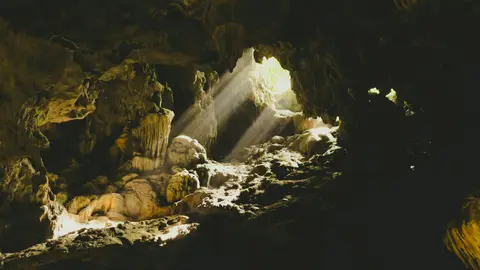
UNESCO lists the bay partly for karst evolution in a tropical maritime climate: fresh water seeps through cracks, widening voids until roofs collapse, leaving steep pillars and hidden caves. Many islets carry phreatic passages—tunnels carved at the water table—now exposed above sea level. Kayakers sometimes glide into low-ceiling grottoes where stalactites still drip, while geologists point out notches that mark older sea levels.

1. Cruise styles: day trips, junks, and quieter arcs
Day buses from Hanoi cram sightseeing into twelve hours: highway fatigue plus rushed pier transfers. Overnight wooden junks spread the experience across sunset, star decks, and dawn tai chi, but cabin quality varies wildly—read recent reviews for mold smells and engine noise. A middle path is Cat Ba Island routing, where smaller boats explore Lan Ha Bay with fewer diesel wakes and more kayak minutes.
Ask operators whether fuel is low-sulfur, whether sewage is stored rather than discharged, and whether single-use bottles are banned onboard—credible companies answer plainly. If an itinerary lists four caves in six hours, expect conveyor tourism; slower loops protect both rock surfaces and your patience.
2. Seasons, haze, and the light you actually photograph
March–May and September–October often balance warmth with clearer skies; summer brings humidity and occasional haze. Winter can look moody on camera—soft gradients instead of razor horizons—while tropical storms in late summer disrupt sailings. Morning mist diffuses light, flattering silhouettes but hiding distant peaks; midday contrast reveals jungle textures high on cliffs.
Tide swings matter for floating villages and kayak landings; low water exposes sharp barnacles on seldom-used ladders. Always confirm life jacket sizes for kids before booking family cabins.

3. Caves, culture, and respectful curiosity
Sung Sot (“Surprise Cave”) and similar show caves protect formations with boardwalks and timed entries—stay on paths because skin oils stain travertine. Guides may weave folk legends about dragons and pearls; treat them as cultural storytelling, not geology textbooks. Coastal communities historically lived off fishing and pearl culture; today many service tourism—buying handicrafts directly supports households more than airport souvenirs.
Temples or shrines onshore may require shoulders covered; ask before flying drones because military zones border parts of the gulf.
4. Food safety, seasickness, and plastic discipline
Buffets cool quickly on deck; favor hot stations and avoid lukewarm shellfish if your stomach is sensitive. Seasickness hits hardest on high-speed transfers; mid-ship lower decks sway less. Bring reef-safe sunscreen even if you are not snorkeling—rinse water carries products back to sensitive invertebrates on rock walls.
Carry a refill bottle; many reputable boats now filter water. Pick up any litter you see on kayak beaches—microplastics ride currents into cave systems where bats roost.

5. Extending the trip without doubling the footprint
Pair Ha Long with Ninh Binh river landscapes or Hanoi street-food walks using trains instead of extra domestic flights. If you rent a private speedboat, consolidate groups so horsepower per passenger drops. Track weather alerts; captains who cancel in rough seas are protecting you and insurance premiums.
6. Reading rock timelines as a traveler’s habit
Notice solution notches near waterlines, cave mouths aligned along old fracture zones, and jungle that grips thin soil on vertical walls. Each detail hints at how slowly this maze stabilizes—and how quickly diesel soot can stain it. Choose slower itineraries, tip crew who separate waste, and you will remember not only the panorama but the quiet between engine throttles when the bay exhales at dawn.
Bottom line: Ha Long rewards visitors who treat karst islands as fragile geology first and Instagram scenery second—book time, not just tickets.