Waitomo’s glowworms are carnivorous larvae pretending to be stars
Black-water rafts drift under blue bioluminescence—learn the biology, photography bans, and cave etiquette before you book.
Share this fact
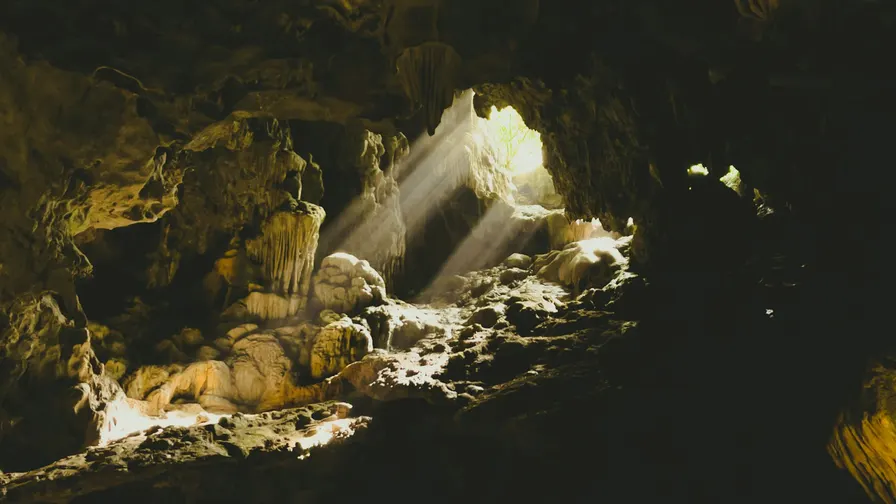
The blue pinpricks on Waitomo’s ceilings are not stars moved indoors. They are Arachnocampa luminosa, fungus-gnat larvae that spin sticky mucus threads to trap midges. Each larva lowers a snare line studded with dew-like droplets; flying prey confuse bioluminescence with open sky, tangle, and become food. Adults emerge briefly, mate without mouths, and die—so the glow you admire is literally hunger lighting up.
Commercial trips split between boat drifts through Ruakuri-style caverns, black-water rafting in wetsuits on underground rivers, and walking tours with helmets. Photography bans protect sensitive species; strobes disorient insects and stress larvae already competing for limited food in nutrient-poor caves.
1. Choosing a tour that matches fitness and claustrophobia
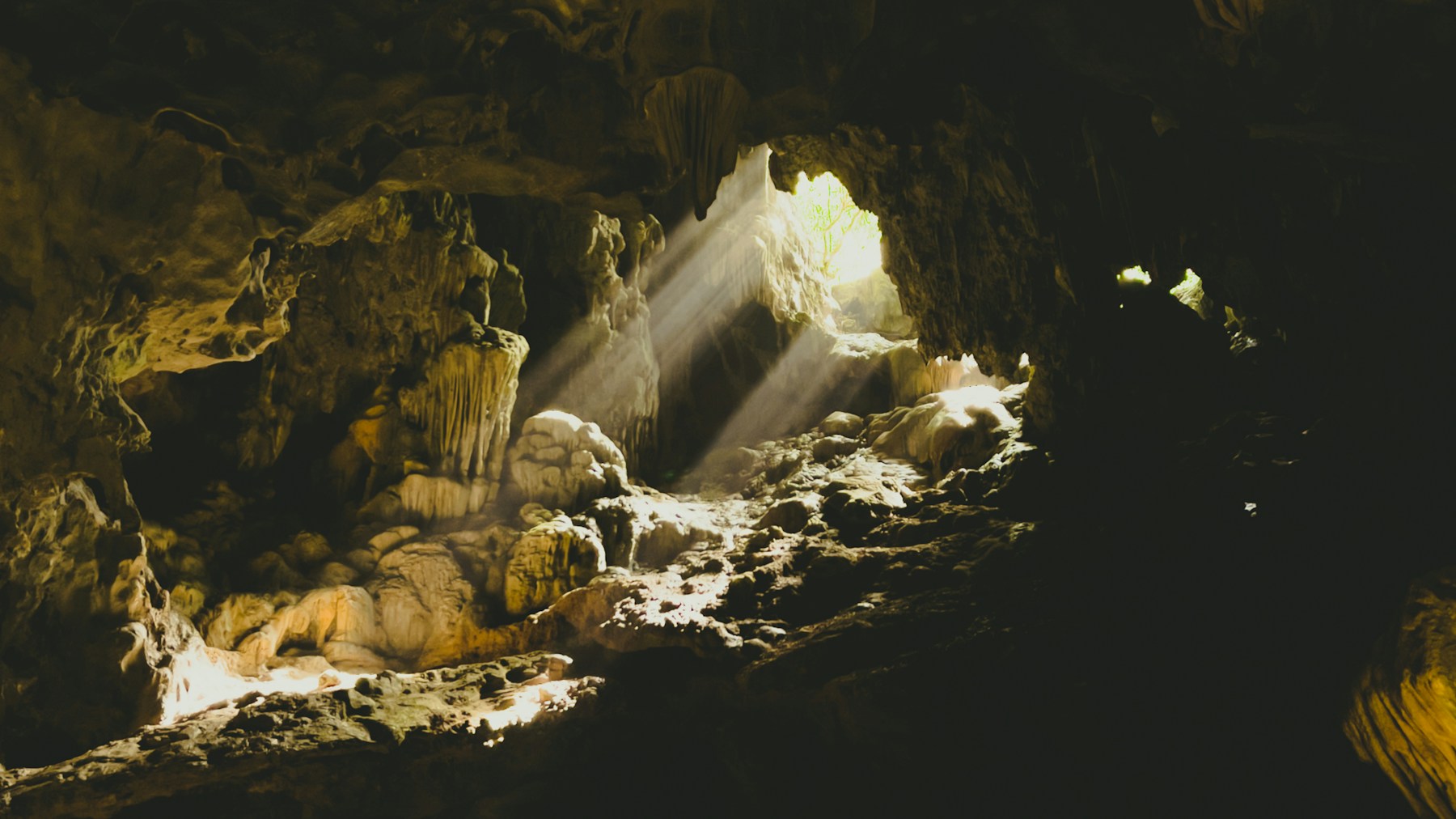
Rafting trips demand confidence in water, ability to clamber over rocks, and tolerance for cold seepage even in thick neoprene. Walking tours suit families but still involve stairs and echoing chambers. Ask operators about group size caps; smaller pods reduce helmet clatter that ruins the hush bioluminescence needs.
If you panic in tight spaces, skip squeezes marketed as “adventure tunnels” and choose wide river passages with constant guides fore and aft.
2. Science you can see: humidity, airflow, and food webs
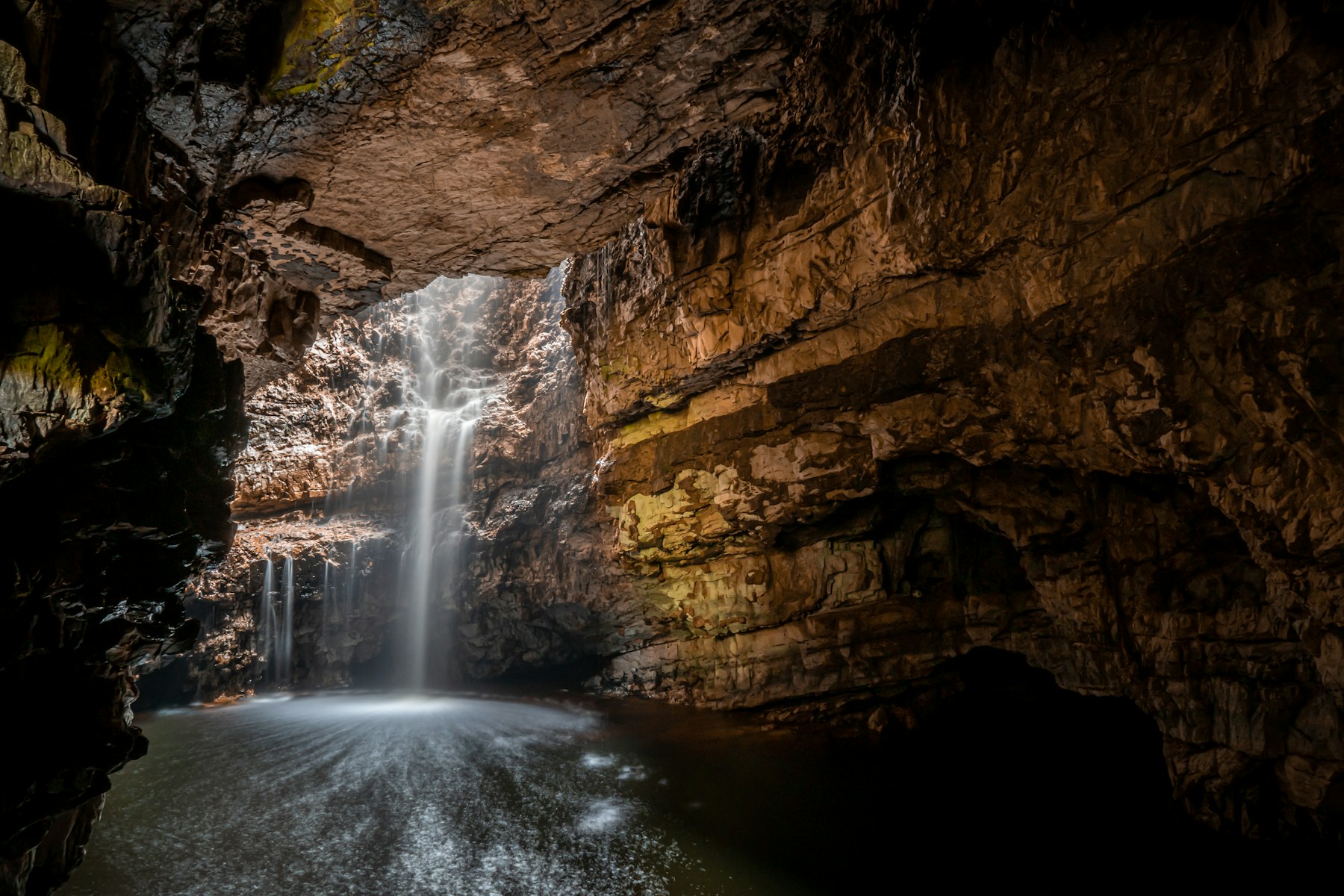
Glowworms need damp, nearly still air to keep threads vertical; drafts tangle snares. Guano from cave insects and washed-in leaf litter feed fungal films that larvae digest indirectly through prey. When visitor paths brush threads, larvae waste energy rebuilding—another reason guides ask you not to wave paddles overhead.
Outside, karst catchments filter rainfall fast, so rivers can rise between morning and afternoon slots—always confirm weather holds.
3. Māori partnerships and storytelling standards
Many caves sit on iwi lands; respectful tours foreground kaitiakitanga (guardianship) rather than ghost tales invented for tourists. Support businesses that employ local guides and return concession fees transparently. Pronounce Waitomo (“why-toh-moh”) softly; humor about “alien slime” may land poorly beside living cultural values.
4. Gear, grit, and grittier details
Bring quick-dry layers, a thin fleece, and a change of clothes for rafting exits. Waterproof pouches for asthma inhalers beat ziplocks that fog. Earplugs help on shuttle buses packed with excited school groups.
Sandflies outside the visitor center are real—repellent with picaridin works without melting synthetics.
5. Combining Waitomo with Rotorua or Raglan without rushing
Many itineraries stack Hobbiton, Rotorua geysers, and caves in one day—drivers fatigue, kids melt down. Better: overnight in Ōtorohanga or Te Kūiti for short morning drives. Surf town Raglan adds a Pacific contrast if you have an extra day west.
6. Carbon and conservation choices
Car-pooling or train legs cut per-person emissions on the Auckland run. Donate to DOC pest-control programs that keep rat populations from surging into cave entrances. Skip collecting stalactite souvenirs—trade is illegal and ecologically absurd.
Bottom line: Waitomo glows brightest when visitors treat larvae as wildlife, not disco lights—quiet boats, dark adaptation, and modest footprints keep the threads shining.