Petra still runs on Nabataean water engineering in stone
Flash floods shaped the rose city’s survival—walk the siq with hydrology in mind, not only camera angles.
Share this fact
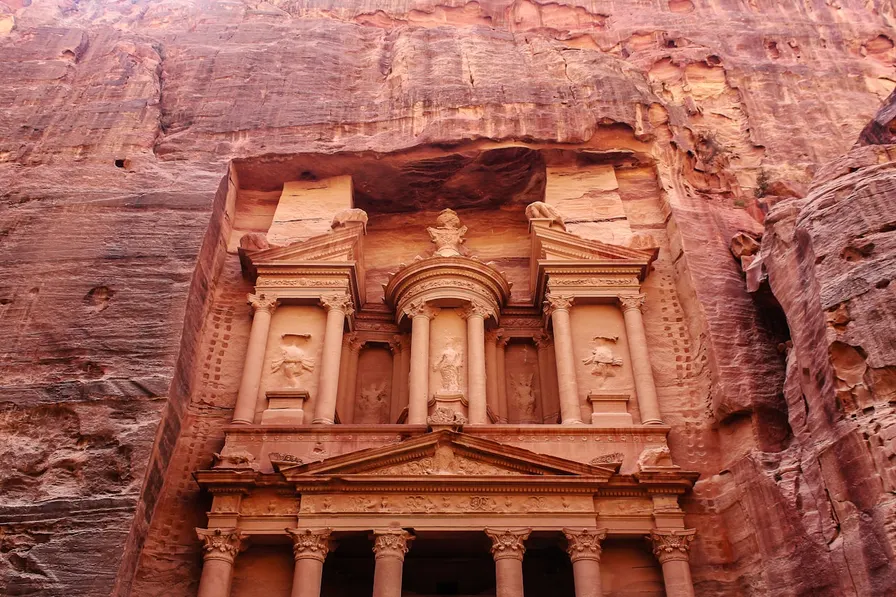
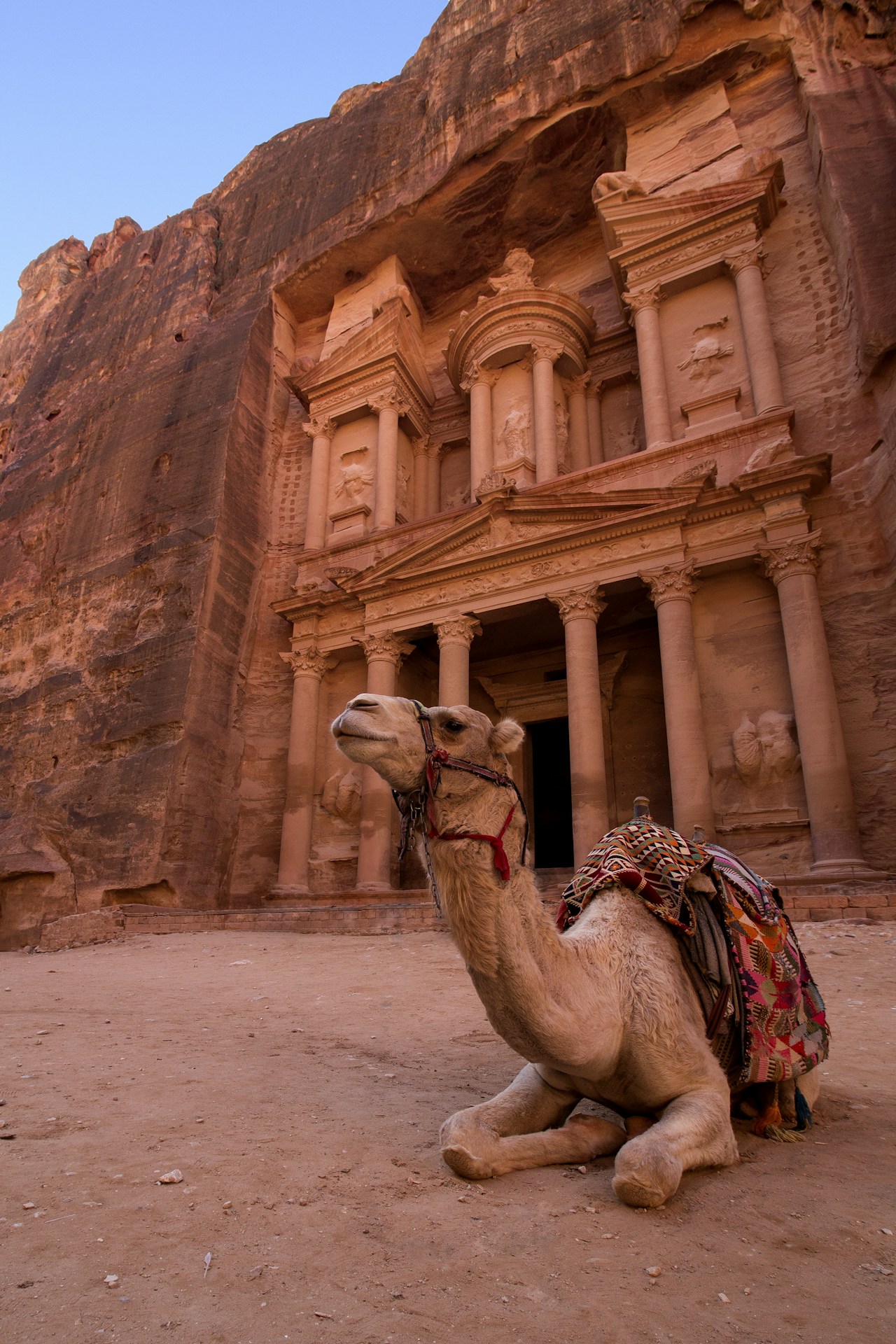
The Treasury’s carved façade is only the lobby of a much larger drama. Behind it, Nabataean engineers threaded aqueducts along cliff faces, cut cisterns into sandstone, and built dams to slow flash floods that still threaten Wadi Musa today. Without that plumbing, a caravan city in bone-dry ravines could never have taxed incense routes or hosted tens of thousands at festivals. When you walk the Siq, notice notches, ceramic pipes, and re-cut channels—each tells a maintenance shift across centuries, including Roman overlays after 106 CE.
Modern visitors arrive mid-morning when heat and crowds peak—invert that habit. Dawn slots or late-afternoon light soften sandstone color gradients and reduce claustrophobia in narrow passages. Wear breathable long sleeves; the desert sun reflects off walls and burns from below.
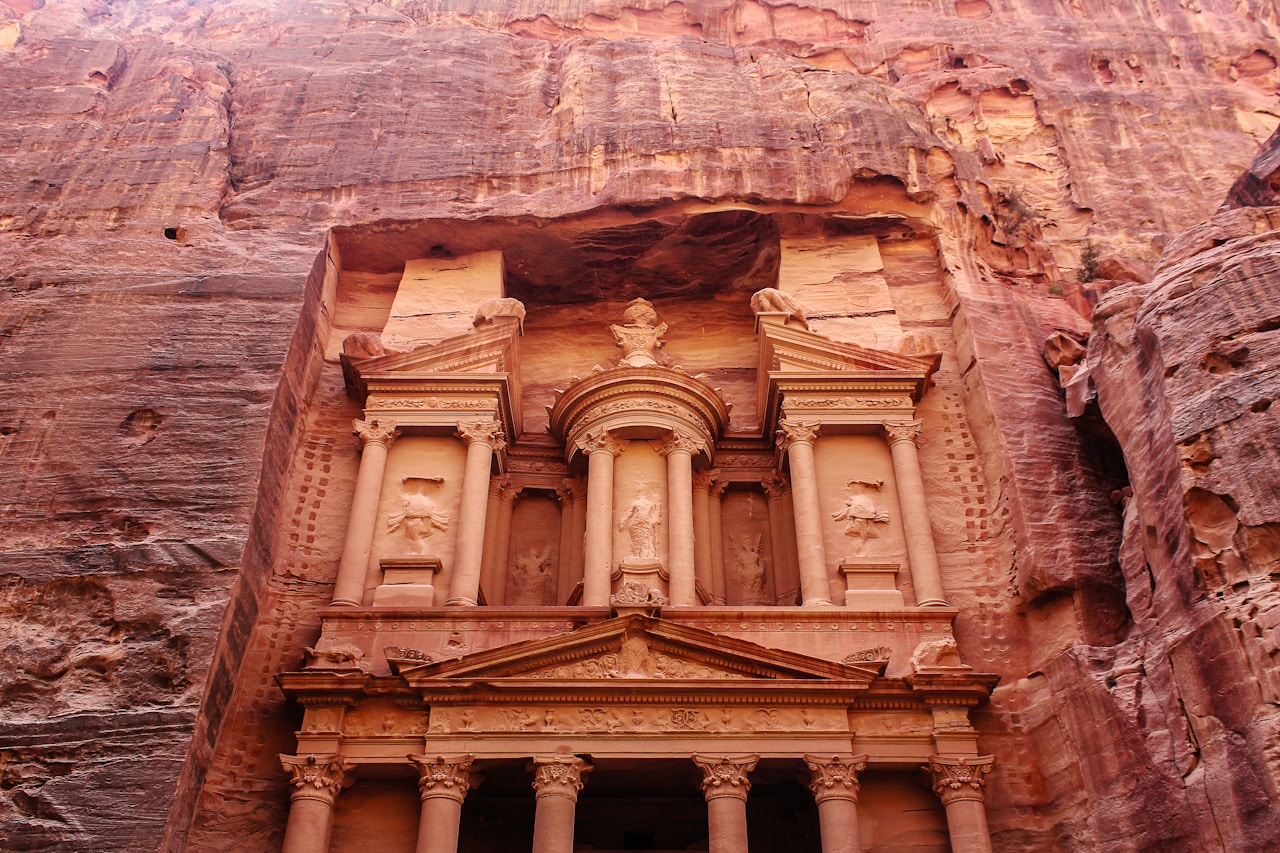
1. Hydrology first: why Petra is a vertical oasis
Winter rains on the Shara highlands concentrate into torrents that funnel through the Siq. Nabataeans split flows, sank settling basins, and capped cisterns to cut evaporation. Some residential caves show plaster linings that reduced leakage. Understanding that helps you appreciate why sacred springs like Moses’ Spring outside town were politically guarded resources, not poetic footnotes.
2. Beyond the Treasury: Royal Tombs and the Monastery climb
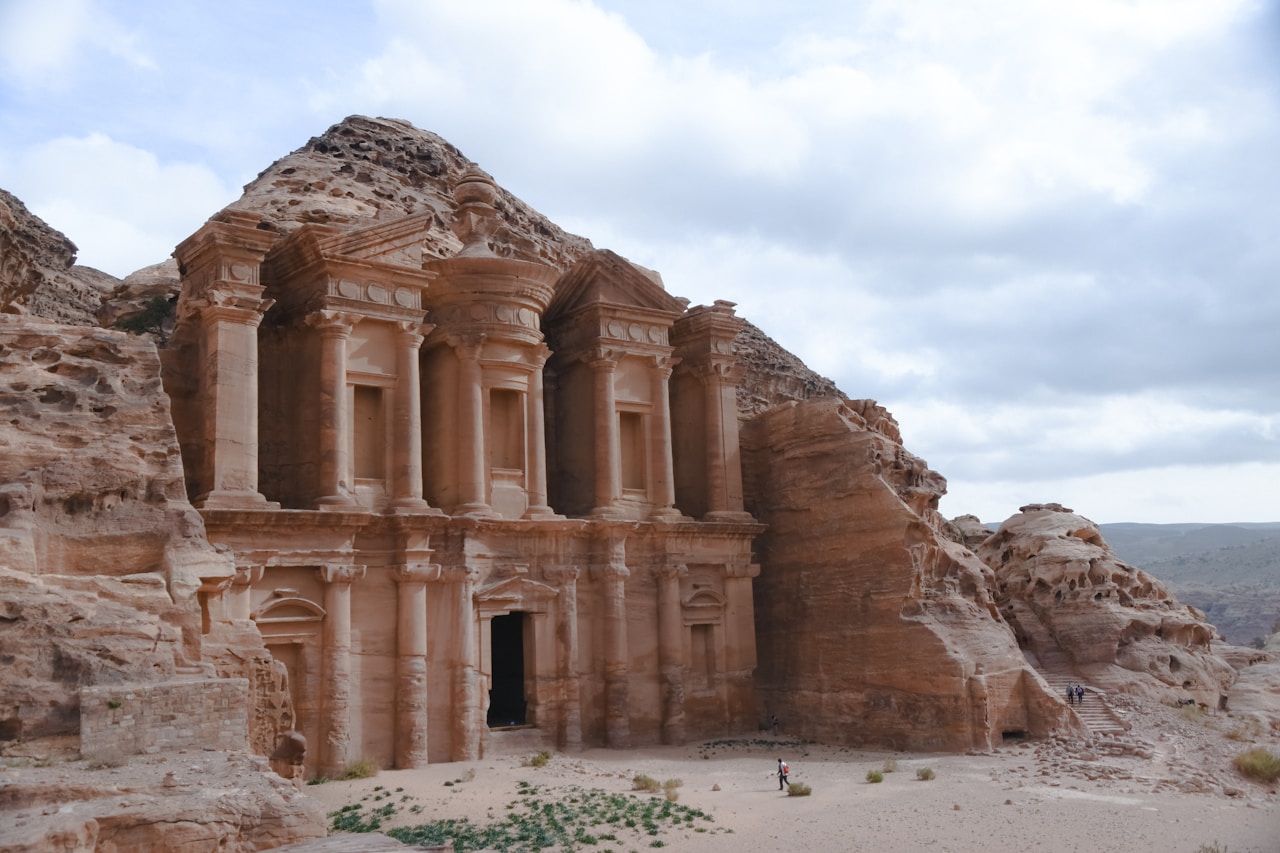
The Monastery (Ad Deir) rewards 800 steps of sweat with cooler winds and fewer megaphone tours—start early and carry two liters of water. Donkeys are offered; ethical concerns about animal welfare push many hikers to walk or hire only operators with documented rest rules. High Place of Sacrifice trails expose you to sheer drops—proper footwear beats fashion sneakers.
3. Petra by Night: candles, stars, and realistic expectations
Ticketed night walks retrace the Siq by candlelight. Tripods are crowded; treat it as atmosphere, not portfolio time. Flash floods cancel events with little notice—always confirm at the visitor center desk, not only hotel lobby hearsay.
4. Wadi Musa services, scams, and fair tipping
Shops inflate “ancient” coins; pass unless you enjoy replicas. Licensed guides wear badges; agree on duration and uphill pace up front. Tip bathroom attendants who maintain paper supplies in remote tombs—small change matters.
5. Pairing Petra with Little Petra or Wadi Rum wisely
Little Petra previews Siq drama on a smaller scale—great for sunset if main site exhausted you. Wadi Rum jeep camps extend the sandstone story; pack dust scarves and GPS-offline maps. Do not schedule both as half-day afterthoughts; desert driving distances punish optimism.
6. Conservation pressure and visitor ethics
Touching carved friezes transfers skin oils that feed biofilms; leaning for selfies abrades edges. Stay on roped routes; “secret viewpoints” often accelerate erosion. Report leaks in modern plumbing near tombs—sewage chemistry harms pigments faster than wind.
Bottom line: Petra impresses cameras because engineers first impressed gravity and water—honor their work by pacing heat, crowds, and footsteps with equal care.