Kalahari night safaris now include star-trackers
Guides mount laser pointers on trucks so guests spot both black-maned lions and the Southern Cross without leaving their seats.
Share this fact
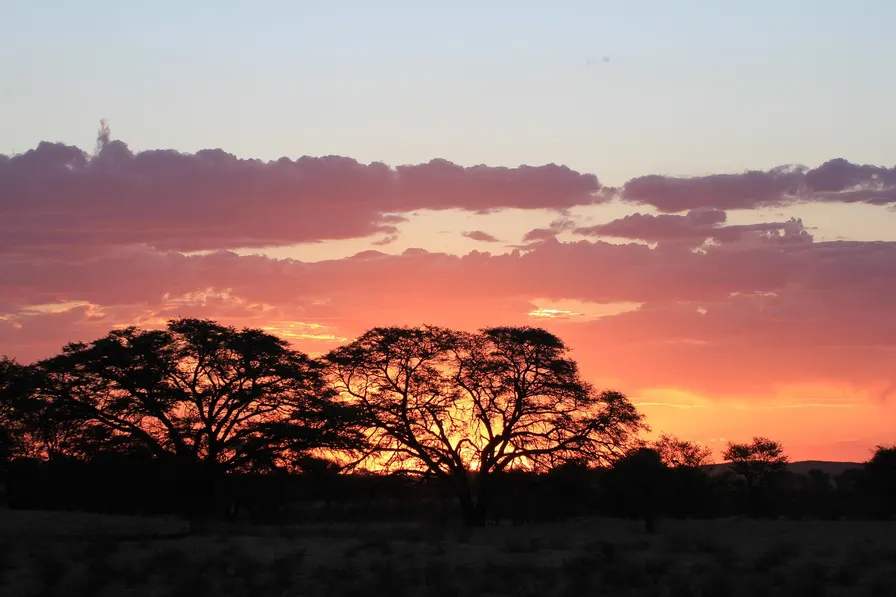
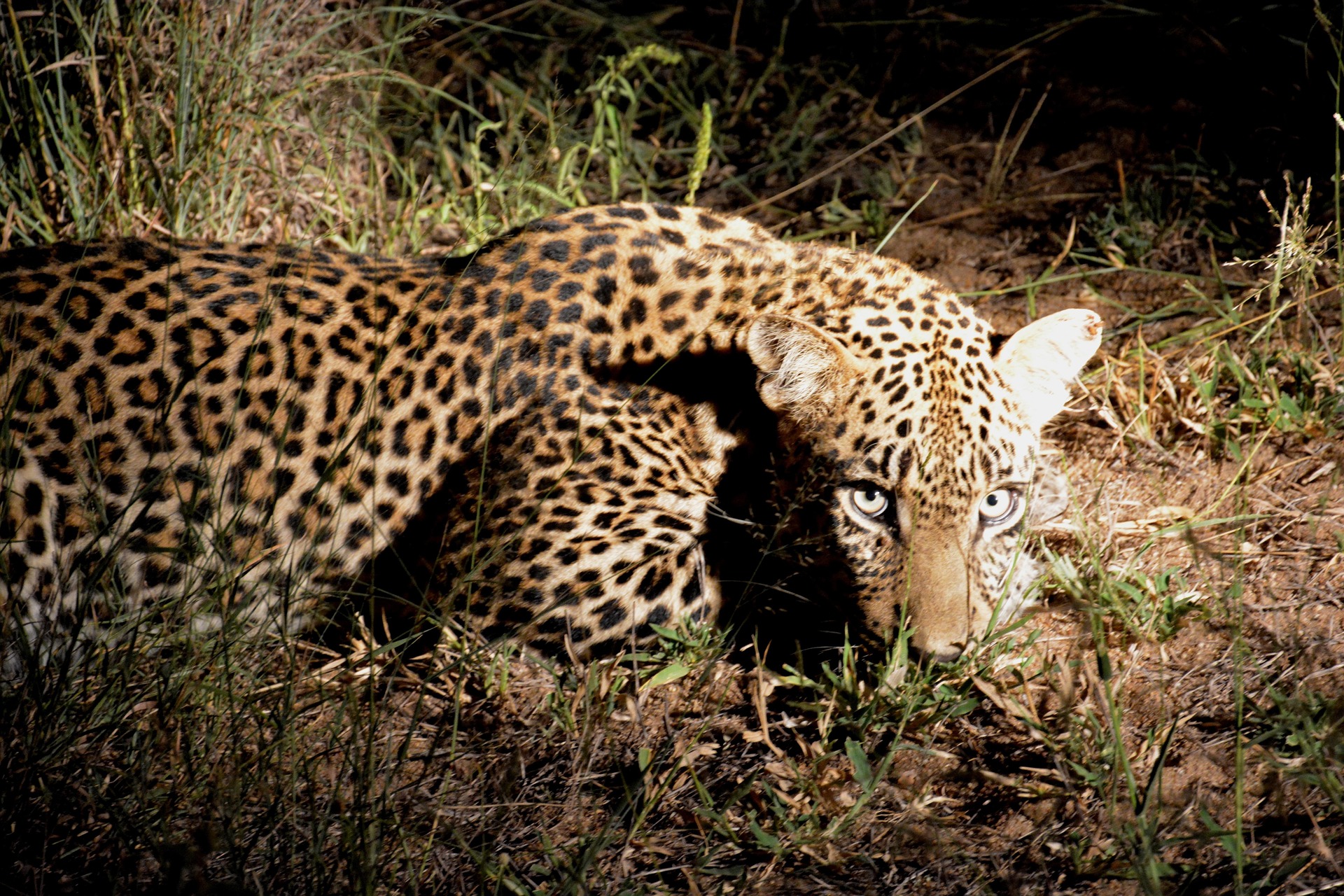
Vehicles idle with lights off so the desert sky stays pitch black. Infrared spotters pick up eyes in the bush—springbok, black-maned Kalahari lions, or a prowling leopard—then guides dim the tech and swing green laser pointers overhead to outline Orion, the Southern Cross, and the False Cross so you connect wildlife and stars in one sitting. No need to leave your seat: the star-tracker experience is built into the drive.
Blankets and hot rooibos keep riders warm while guides (or visiting astronomers) explain how San stories mapped mythic animals onto the same constellations you’re seeing. It’s one of the few places where big cats and celestial navigation share the same hour.
1. What to expect on a star-tracker drive
| Phase | Activity | What you see / hear |
|---|---|---|
| Sunset – first hour | Drive out; spotter scans with IR. Main lights off, red filter only. | Dusk wildlife (oryx, springbok); sky fading from orange to deep blue. |
| Full dark | Stops at clear viewpoints; guide uses green laser to trace Southern Cross, Orion, Scorpius. | Constellations named; San lore (e.g. “the lion’s tail” in the sky); possible lion or hyena on the move. |
| Return | Slow cruise back; spotter still scanning. Hot drinks handed out. | Eyes in the bush; Milky Way overhead; camp or lodge lights in the distance. |
2. Night-drive kit and etiquette
- Layers: Even in summer the Kalahari cools fast after dark. Bring a windproof layer and a scarf; blankets are usually provided but having your own helps.
- Red light only: Phones and torches must stay on red mode or off so you don’t spook animals or ruin everyone’s night vision. Guides will brief you before departure.
- Binoculars (optional): Small pair for zooming into constellations or distant eyes—not required, but handy if you have them.
- Stay seated: No standing or sticking arms out when the vehicle is moving. When stopped for stars, follow the guide’s lead before moving around.
- Kids: Many operators allow children 6+; check age and behaviour rules when booking so the drive stays safe and quiet for wildlife.
3. Constellations you’ll likely see
- Southern Cross (Crux): Small but iconic; guides use it for direction and often tie it to local navigation stories. Best visible from about April to October.
- Orion: Familiar to Northern Hemisphere visitors; upside-down here. The laser will trace the Belt and Sword.
- Scorpius: Dominant in the southern sky in mid-year; the “scorpion” shape is easy to follow once the guide points it out.
- False Cross: Often confused with the Southern Cross; guides explain how to tell them apart (Crux is tighter and has two pointer stars nearby).
- Milky Way: On moonless nights the core is spectacular; the Kalahari’s low light pollution makes it one of the best places to see it from a vehicle.
4. Quick FAQ
Where exactly do these drives run? Lodges and reserves in and around the Kalahari (e.g. Kgalagadi Transfrontier Park, Tswalu, private concessions) offer night drives; “star-tracker” or “astronomy” is often in the activity name. Book through your lodge or a dedicated safari operator.
Do I need to know astronomy? No. Guides (and sometimes resident astronomers) explain the constellations and the San stories. You can just look and listen.
What if it’s cloudy? Drives usually go ahead for wildlife; the star part may be shortened or rescheduled. Ask at booking what the policy is for cloud or rain.
How long is the drive? Typically 2–3 hours after sunset. Start times shift with the season so you’re in full dark when the stars come out.
Is it safe? Yes when you follow the guide’s rules—stay seated, no sudden lights or noise. Vehicles are open but guides are trained and armed where required.
5. Beyond the drive—stay and stargaze
- Lodge decks: Many Kalahari lodges have decks or fire pits where you can stargaze after the drive; some offer a short “star talk” with a laser pointer.
- Moon phase: For the darkest skies and best Milky Way, aim for drives around new moon. Full moon is still special but washes out fainter stars.
- Combine with day drives: Book both day and night drives so you see the same landscape in light and dark—and the same constellations that San culture wove into myth.