
Lisbon’s tile soundwalk maps songs to azulejo murals
Visitors rent bone-conduction headsets that play stories for each facade, layering Fado and ceramics history on a single stroll.
Share this fact

You start at the Museu Nacional do Azulejo, scan a QR code, and follow glowing dots projected on narrow Alfama streets. Bone-conduction headsets keep your ears open to the city—tram bells, cobbles, passers-by—while audio layers Fado snippets, tile history, and percussion that mirror the clack of tram tracks. Each facade becomes a stop on a living score: the same ceramics that once told biblical or maritime stories now trigger songs and field recordings so the district feels like one continuous sound map.
Segments pair the clack of tram 28 with instruments that originally inspired the azulejo patterns, and narrators explain how blue-and-white panels survived the 1755 earthquake in convents and palaces. A typical route runs 60–90 minutes; you can pause anytime and re-scan to replay a segment.
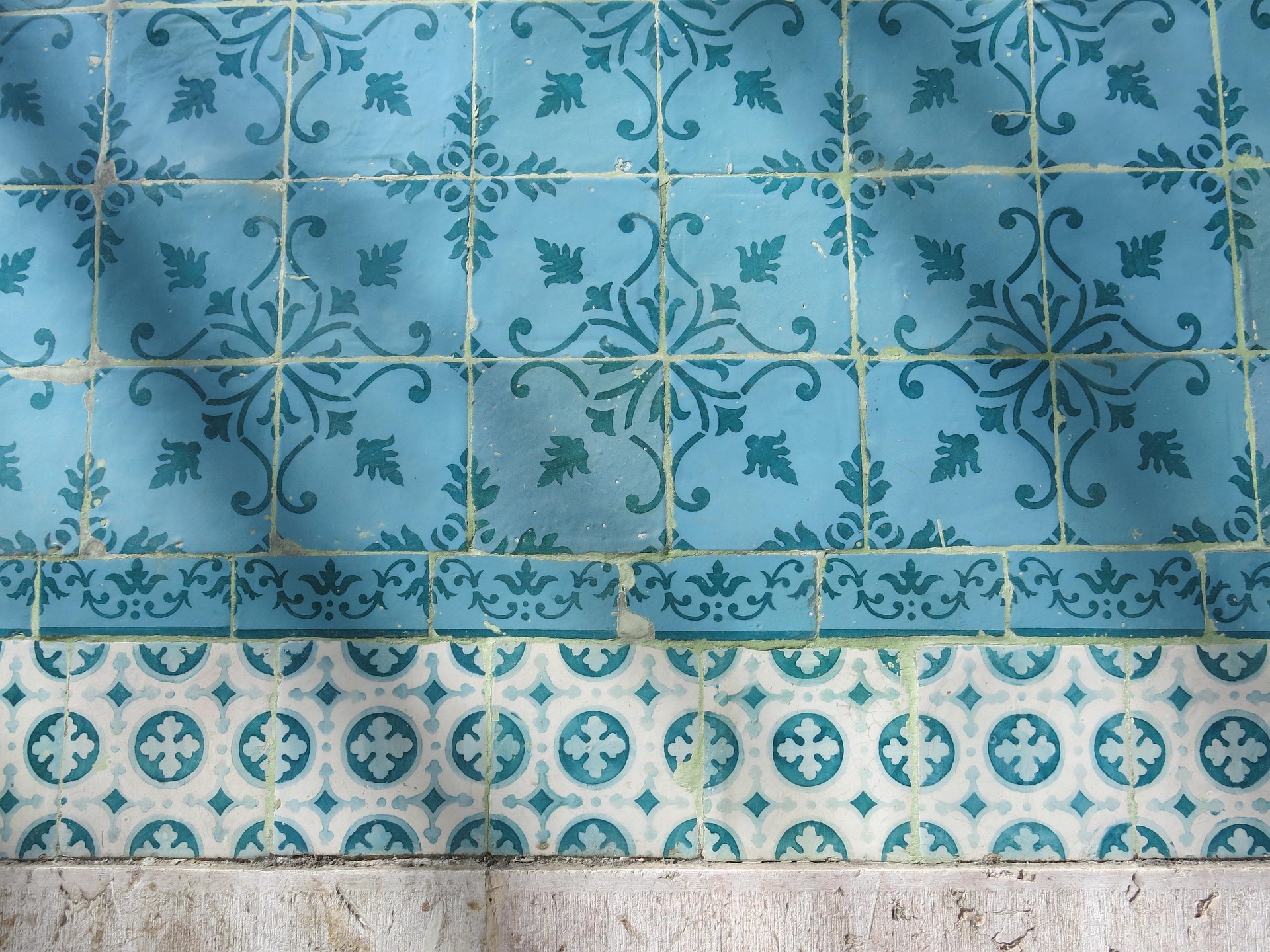
1. How the soundwalk works
| Step | What happens | Practical cue |
|---|---|---|
| Start at museum | Pick up bone-conduction headset, open app, scan launch QR. Audio greets you with a short intro on azulejo and Fado. | Book a time slot online; arrive 10 min early. Museum café is a good pre-walk pit stop. |
| Follow the dots | Glowing dots on the app map lead you to facades; GPS triggers the right clip when you’re in range. | Keep the app open but screen dimmed; headphones leave ears free so you hear trams and steps. |
| At each mural | A 2–4 min story: tile motif, link to Fado lyrics or period instruments, and sometimes a local voice or archive clip. | Stand close to the facade to lock GPS; you can replay by tapping the stop again in the app. |
2. What you hear—tiles and sound
- Fado and azulejo: Many panels depict ships, saints, or daily life; the same themes show up in Fado verses. The soundwalk ties specific murals to song lines so you hear the lyric as you look at the image.
- Tram 28 and percussion: The route crosses tram lines; the clack of wheels on rails is echoed in the audio with traditional percussion that influenced both tile rhythm patterns and Fado arrangements.
- Convent and earthquake: Some segments use archive recordings or narrators to explain how tiles were salvaged after 1755 and reused in rebuilt churches—sound and place history in one layer.
- Local voices: Where possible, the map includes short clips from residents or tile restorers, so you get neighborhood context, not only museum-style commentary.
- Silence and ambience: Bone conduction means you still hear street life; the design encourages pauses so you notice the real sound of the hill—cobbles, birds, distant Fado from a café.

3. Route and practical tips
- Start point: Museu Nacional do Azulejo (Madre de Deus). Easy by bus or Uber; allow 30–45 min for the museum itself if you want to see the panels before the walk.
- Alfama stretch: The soundwalk leads into Alfama; wear comfortable shoes—cobbles and steep steps are part of the experience.
- Best time: Morning or late afternoon to avoid midday heat and crowds; sunset slots add live Fado from open windows and terraces.
- Headsets: Bone-conduction units are rented at the museum; return them at the end or at a drop-off point in Alfama. No need for in-ear isolation—the design is “open ear” on purpose.
- Offline: Download the soundwalk in the app before you go; GPS and audio work offline once the route is cached.
- Length: Plan 60–90 minutes for the full route; you can shorten by skipping stops or extending by lingering at the museum or a café.
4. Quick FAQ
Do I need to enter the museum to do the soundwalk? You can start from the museum (recommended—pick up headsets and scan the first QR there) or join the route from a later stop if you have the app and your own headphones; bone-conduction rental is at the museum.
Can I use my own headphones? Yes, but bone-conduction is recommended so you stay aware of trams and steps. If you use in-ear phones, keep volume low and stay alert on narrow streets.
Is it suitable for kids? The content is family-friendly—tile stories and sound—but the route involves hills and cobbles; younger kids may tire. Check with the operator for a shorter “highlights” version.
What if it rains? The walk is outdoors; light rain is fine (headsets are robust). In heavy rain, the museum may pause rentals; reschedule or do the museum-only visit and try the soundwalk another day.
Does the app work in other languages? Many soundwalks offer English and Portuguese; check the app or museum site for Spanish, French, or other languages.
5. Beyond the soundwalk
- Museu Nacional do Azulejo: Spend an hour inside to see the full timeline of Portuguese tiles—Moorish roots, blue-and-white golden age, and contemporary panels. The soundwalk references many of these.
- Live Fado: After the walk, book a Fado evening in Alfama or Mouraria; you’ll recognize themes and instruments from the soundwalk.
- Other Lisbon sound experiences: Check for boat soundwalks on the Tagus or neighborhood audio maps in Belém; the same team often extends the format to other districts.
- Tile workshops: Some studios offer short azulejo-painting sessions; combine with the soundwalk to tie making to the stories you heard.