Chasing Norway’s northern lights without freezing your plans
From Tromsø bases to dark-sky islands, learn how solar wind, clouds, and moon phase shape a real aurora trip beyond brochure photos.
Share this fact
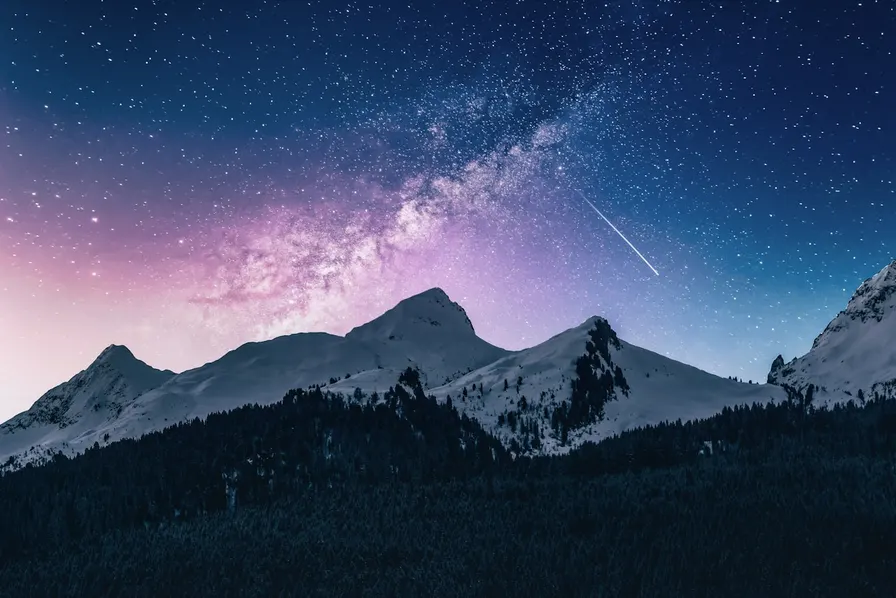
The northern lights are not a nightly curtain guaranteed for anyone who lands above the Arctic Circle. They are a collision of solar wind, Earth’s magnetosphere, and clear, dark air—so a thoughtful Norway itinerary treats them like weather-dependent wildlife: you stack odds, build warmth, and leave room for disappointment without ruining the trip.
Most first-time chasers base in Tromsø, Alta, or Lofoten villages because roads, guides, and cafés exist beside dark shoreline. That convenience matters when midnight temperatures slip far below zero and wind strips heat faster than newcomers expect. Still, a city’s orange glow competes with faint aurora, which is why many operators drive thirty to ninety minutes toward rural beaches or mountain passes for deeper black skies.
1. What actually sparks auroras (in plain language)
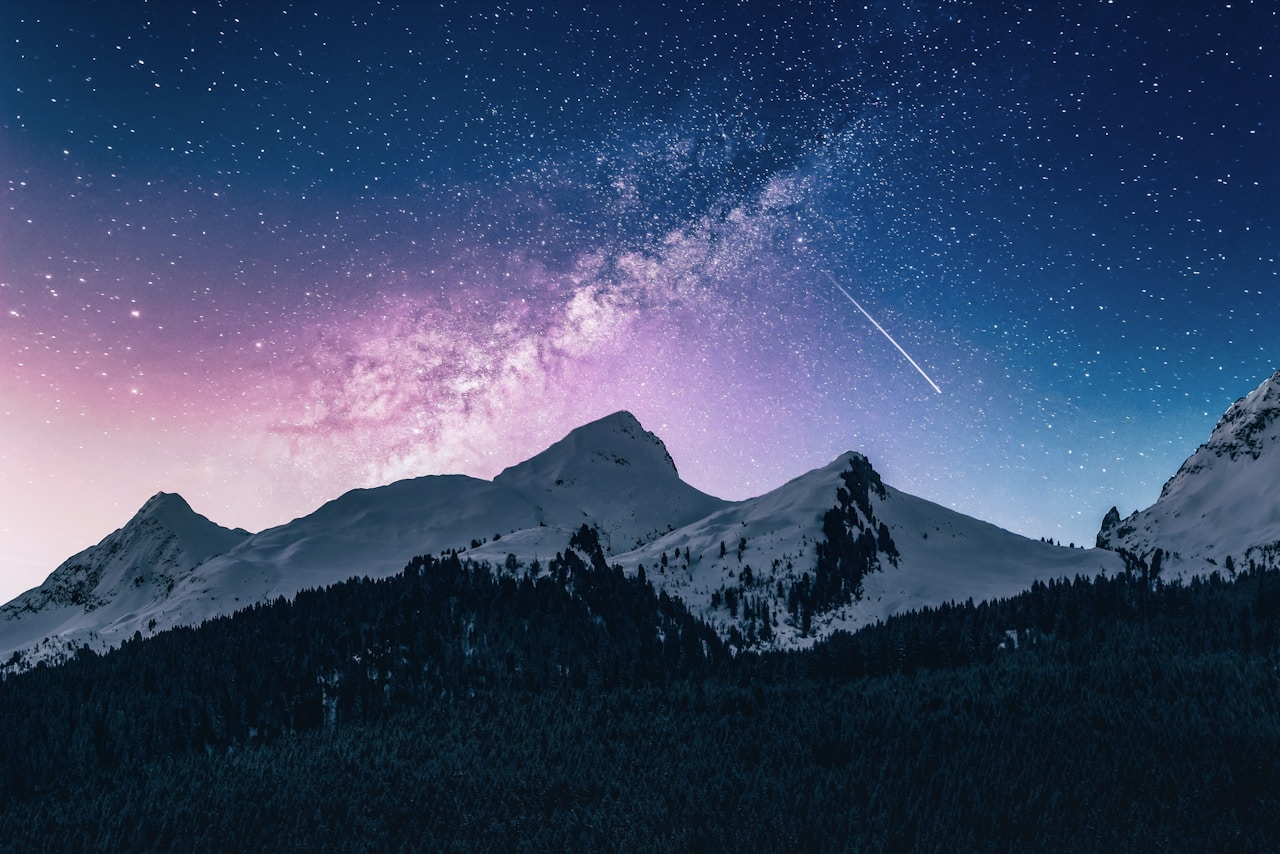
Our sun constantly sheds charged particles. When a burst—often after a coronal mass ejection or a fast solar wind stream—reaches Earth, the planet’s magnetic field funnels those particles toward polar ovals. Collisions with gases in the upper atmosphere release photons: green from oxygen low down, red higher up, and occasional purple-pink edges when nitrogen joins the mix. Kp indices you see on apps are rough global scales; local magnetometers and real-time Bz (southward interplanetary magnetic field component) often tell a sharper story for northern Norway.
Because the oval shifts, a moderate storm might paint skies over southern Finland while Tromsø sits under quiet arcs. That is why chasing is part science, part cloud roulette. Apps such as NOAA’s OVATION model or community-run aurora maps help, but nothing replaces stepping outside every twenty minutes when forecasts look “meh”—substorms can ignite fast.
2. Season windows, moonlight, and the cloud problem
Statistically, late September through late March offers enough darkness at Nordic latitudes. Inside that band, late autumn and early spring often balance milder roads with still-long nights. Mid-winter delivers endless twilight moods but also storms that close mountain passes. New-moon weeks are popular for photographers because moonlight washes out faint arcs; yet a gibbous moon low over the fjord can beautifully side-light foreground peaks if you compose deliberately.
Coastal Norway is maritime, so layered cloud systems roll in fast. Locals joke that the best forecast is looking up. When thick stratus wins, pivot: visit a sauna, museum, or reindeer sledding day—moral is to book multi-night stays (four to six) so one clear slot can redeem the week. Some travelers add a Hurtigruten leg or a domestic hop to Kirkenes or the Lofoten chain to diversify weather patterns.
3. Guided vans versus rental cars: safety and etiquette
Aurora vans bundle heat, hot drinks, tripods, and drivers who know which roads ice first. Renting a car offers freedom but demands winter tires, confidence with black ice, and respect for tunnel queues and avalanche closures. Either way, etiquette matters: dim headlamps when others are exposing long photos, avoid laser pointers near aircraft, and never block private farm gates.
On beaches, tide tables matter—several famous viewpoints pinch against rising water. Leave drones only where aviation rules allow; many Sami reindeer corridors and nesting cliffs are off limits April–June even if lights tempt you.
4. Camera basics without buying a new life
You can enjoy auroras with eyes alone, but if you shoot, start simple: manual mode, wide lens, f/2.8 (or widest), ISO 1600–3200, and 8–15 second exposures when arcs move slowly—shorten if they dance violently. Focus using a bright star, not infinity marks that lie. Hand warmers taped under batteries keep mirrorless bodies alive; a cheap wired remote avoids shaking the tripod when gloves are thick.
Composition improves when you anchor sky color to fjord reflections, cabins, or a person’s silhouette—otherwise you get another anonymous green smear. Bracket one brighter frame for foreground noise reduction if you like editing later.
5. Clothing, calories, and respectful tourism
Think layers: wicking base, loft mid, windshell, balaclava, and oversized mittens over thin gloves for camera tweaks. Chemical toe warmers beat bulky boots that sweat then freeze. Eat slow carbs before midnight; shivering burns glycogen fast. Sustainable practice means sticking to marked paths above treeline, booking certified guides who pay fair wages, and skipping staged “indigenous-lite” shows—seek Sami partners who control their own storytelling.
6. Budget levers, insurance, and everyday logistics
Aurora packages spike during Christmas and New Year, yet January–February midweeks can trim lodging costs while keeping long nights. Buying groceries at REMA 1000 or KIWI beats restaurant tabs when you are chasing midnight skies on a budget. Travel insurance should explicitly cover winter driving and activity cancellation—many small operators refund only when storms force closure, not when you oversleep.
Norway uses Schuko plugs (Type F); North Americans need grounded adapters, not cheap two-pin dongles, for laptop chargers. Credit cards work nearly everywhere, but rural diesel pumps occasionally demand chip-and-PIN—carry one backup card. If you self-drive, download offline maps; cell gaps appear in fjord tunnels and mountain passes. Finally, remember that aurora hype can crowd fragile viewpoints—one car per pull-out keeps shoulders passable for ambulances and locals heading to work before dawn.
Bottom line: Norway rewards travelers who treat auroras as a privilege of clear skies and quiet darkness, not a vending-machine ticket. Stack nights, stay flexible, invest in warmth, and you will remember the hush between pulses of green long after the memory card fills.