Iceland grows bananas with volcanic heat and glass domes
Geothermal water warms greenhouses in Hveragerði, letting farmers pick 5 tons of bananas a year only 150 miles from the Arctic Circle.
Share this fact
Hveragerði, a town resting on steaming ground fissures, pipes 80 °C water straight from boreholes into snaking greenhouse radiators. The warmth keeps glass domes at tropical humidity while LED panels mimic the equatorial sun.
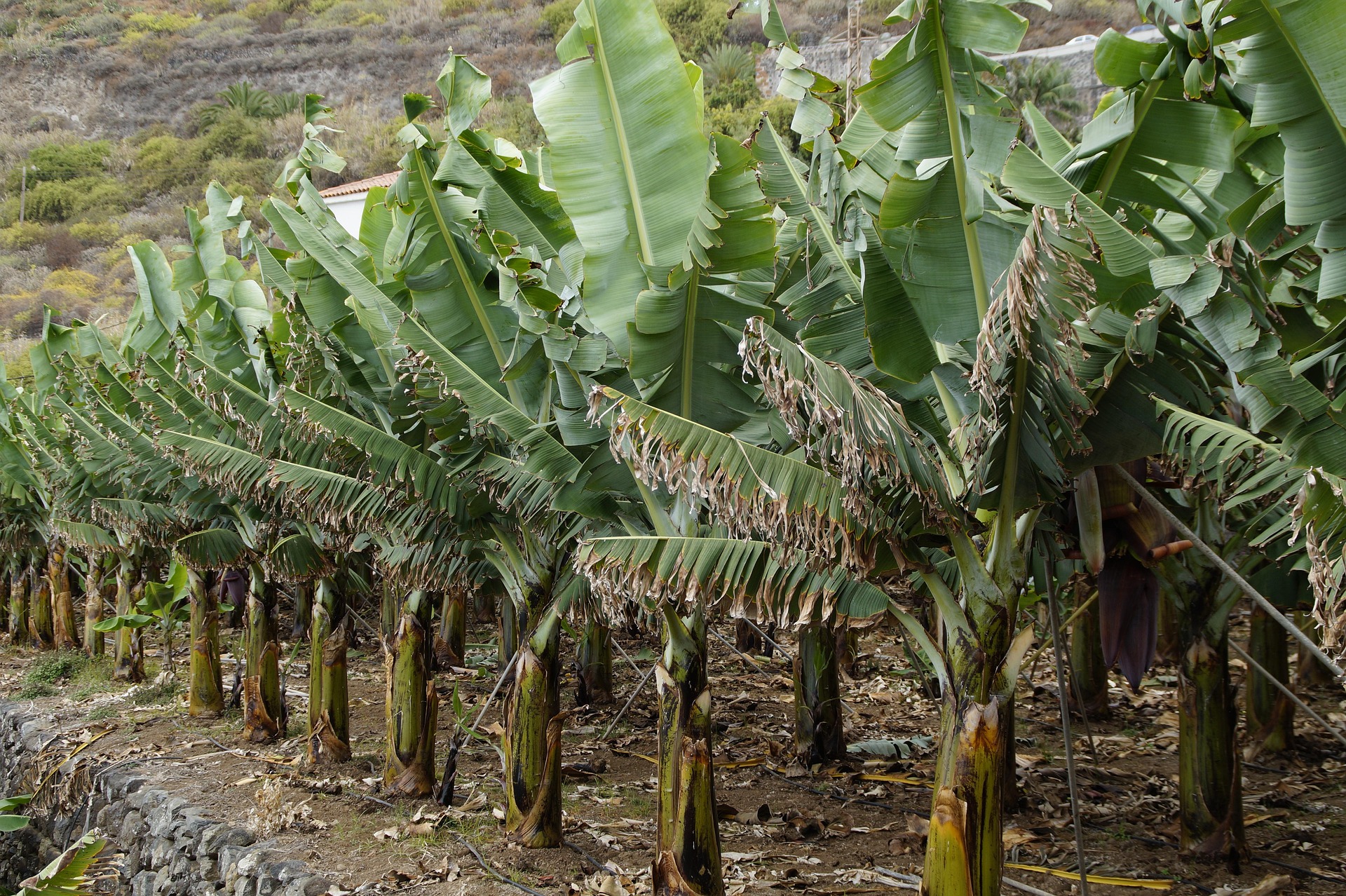
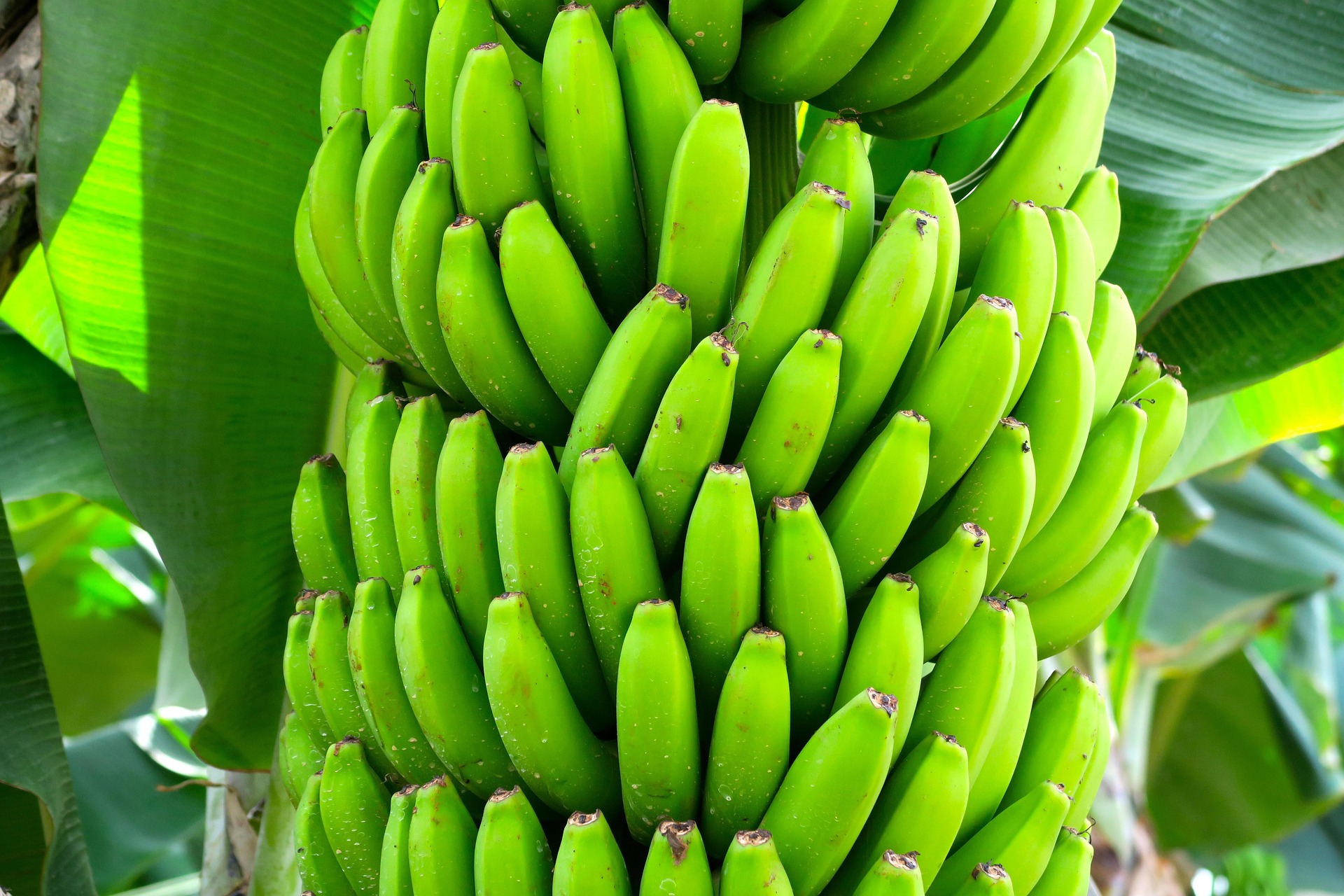
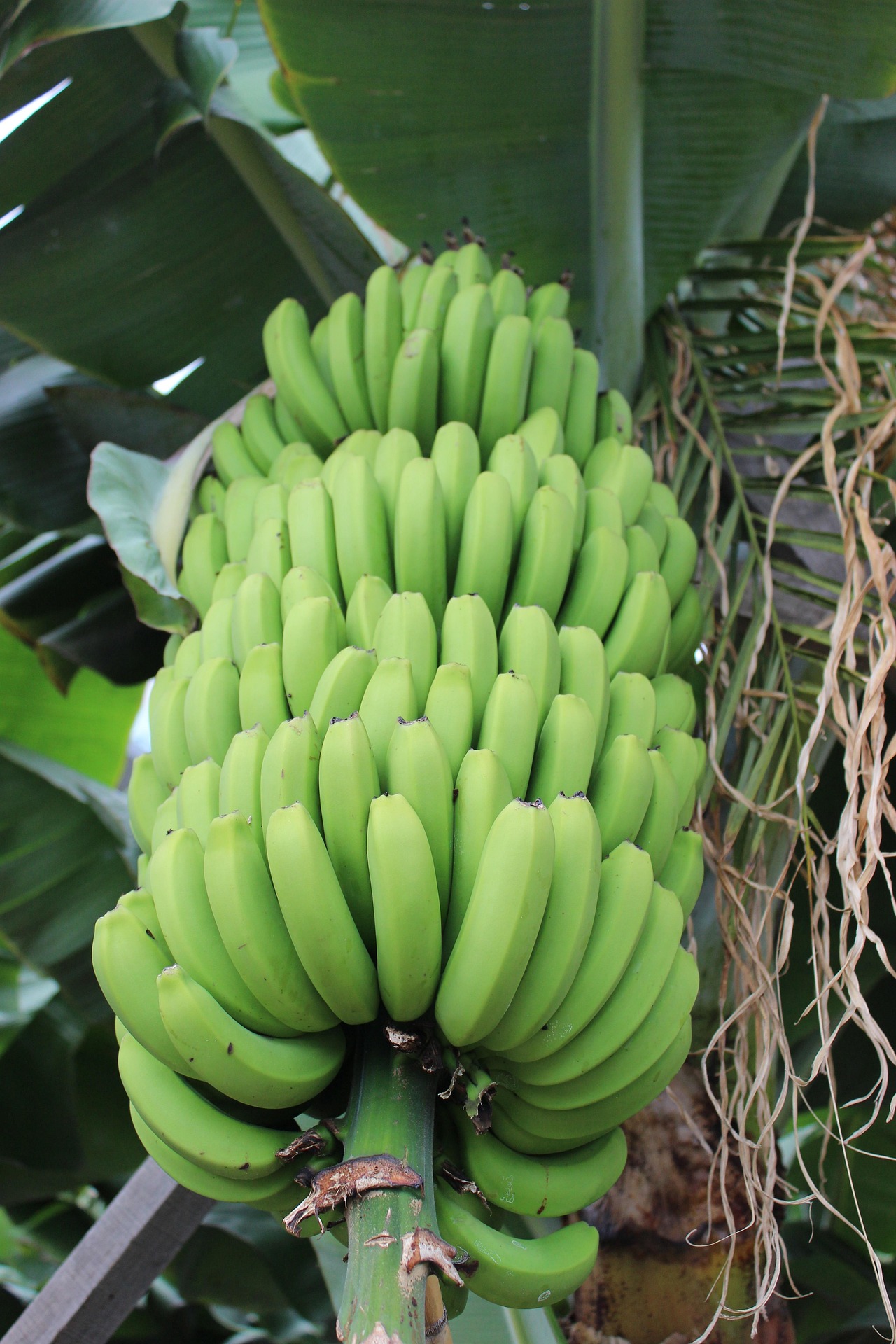
Because energy is nearly free, farmers experiment with cacao, papaya, and rows of banana plants that would usually wilt in sub-zero wind—and harvest roughly 5 tons of bananas a year only 150 miles from the Arctic Circle.
Visitors can tour the domes, taste banana bread baked with geothermal steam, and soak in nearby hot rivers the same afternoon.
1. How geothermal heat reaches the greenhouses
| Stage | What happens | Visitor tip |
|---|---|---|
| Boreholes | Hot water (80–95 °C) is pumped from volcanic fissures under Hveragerði. | You’ll see steam vents and “hot pots” in town—same heat source. |
| Radiator pipes | Water snakes through greenhouse pipes; warmth and humidity stay tropical year-round. | Tours explain the pipe layout; some domes feel like a rainforest. |
| LED + glass | LED panels extend “daylight” in winter; glass domes trap heat and light. | Winter visits still show lush growth; combine with aurora viewing at dusk. |
2. What grows in the domes
- Bananas: The star crop; roughly 5 tons per year from Hveragerði’s greenhouses. Varieties are chosen for taste and resilience in controlled humidity.
- Cacao & papaya: Experimental crops; some farms offer tastings or chocolate made with geothermal-dried cacao.
- Tomatoes, cucumbers, herbs: Year-round salad and greens; many restaurants in town source from the same greenhouses.
- Banana bread: Several cafés bake with geothermal steam and serve slices with coffee—a must-try after a dome tour.
3. Visiting Hveragerði: practical tips
- Getting there: Bus 51 from Reykjavík (BSÍ bus station) to Hveragerði in about 45 minutes. Check Straeto.is for timetables.
- Greenhouse tours: Buy a ticket at the visitor center; tours include dome walkthroughs, samples, and often a stop at a thermal bakery.
- Same-day combo: Pair the greenhouse visit with a soak in the nearby hot rivers (e.g. Reykjadalur) or a short hike; the area is famous for steam and natural baths.
- Winter: Linger until dusk to see auroras through the glass canopy; dress in layers—warm inside the domes, cold outside.
- Eat: Try banana bread baked with geothermal steam and café-sourced greenhouse tomatoes or herbs.
4. Quick FAQ
Why bananas in Iceland? Geothermal heat is cheap and constant, so heating glass domes to tropical conditions is affordable. Bananas grow well in that controlled environment; the same heat also powers much of Iceland’s electricity and heating.
Can I buy the bananas? Some farms sell fruit or banana bread at the visitor center or on-site café; availability varies by season and tour.
Is it only Hveragerði? Hveragerði is the best-known “greenhouse town,” but other geothermal areas (e.g. near Reykjavík or in the south) also use hot water for agriculture and research.
Best time of year? Greenhouses are productive year-round. Winter adds aurora views; summer offers long daylight and easier hiking to nearby hot rivers.
Do I need to book? For guided dome tours, yes—book at the visitor center or online. Walking around town and seeing steam vents is free.
5. Beyond the domes
- Reykjadalur hot river: A short drive or hike from Hveragerði; soak in a warm stream surrounded by steam and hills.
- Reykjavík day trip: Easy to do Hveragerði as a half-day from the capital; combine with a city walk or museum.
- Golden Circle: If you’re on a Golden Circle route, Hveragerði fits as a stop for lunch, a dome tour, and a taste of “tropical” Iceland.