
Strength training for bone health: loads that bones actually notice
Progressive resistance and impact-ready patterns signal bone to stay dense—especially around hips and spine—without reckless volume.
Share this fact
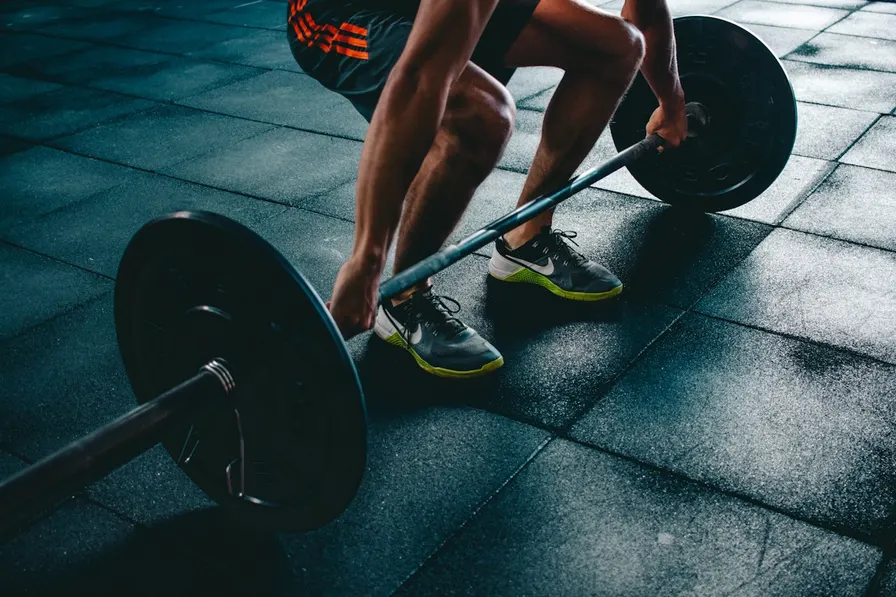
🦴 Strength training for bone health: why “use it or lose it” is literal
Bone is living tissue. Osteocytes—cells embedded in mineral matrix—constantly remodel in response to mechanical strain, hormone signals, and nutrition. When habitual loads drop—after injury, desk-heavy years, or weight loss without resistance work—resorption can outpace formation in vulnerable areas such as the hip neck and lumbar spine. Strength training does not “pour calcium” into bone like a cartoon; it encourages adaptive stiffening along lines of stress, improves coordination so falls become less likely, and builds the muscle that cushions impact when trips happen. That combination is why public-health messages pair resistance plus balance for fracture-prevention conversations, not endless slow walking alone.
This page is education, not individualized rehab or medical advice. If you have osteoporosis with vertebral fractures, cancer involving bone, or unexplained bone pain, work with a clinician or physical therapist before loading spine flexion patterns.
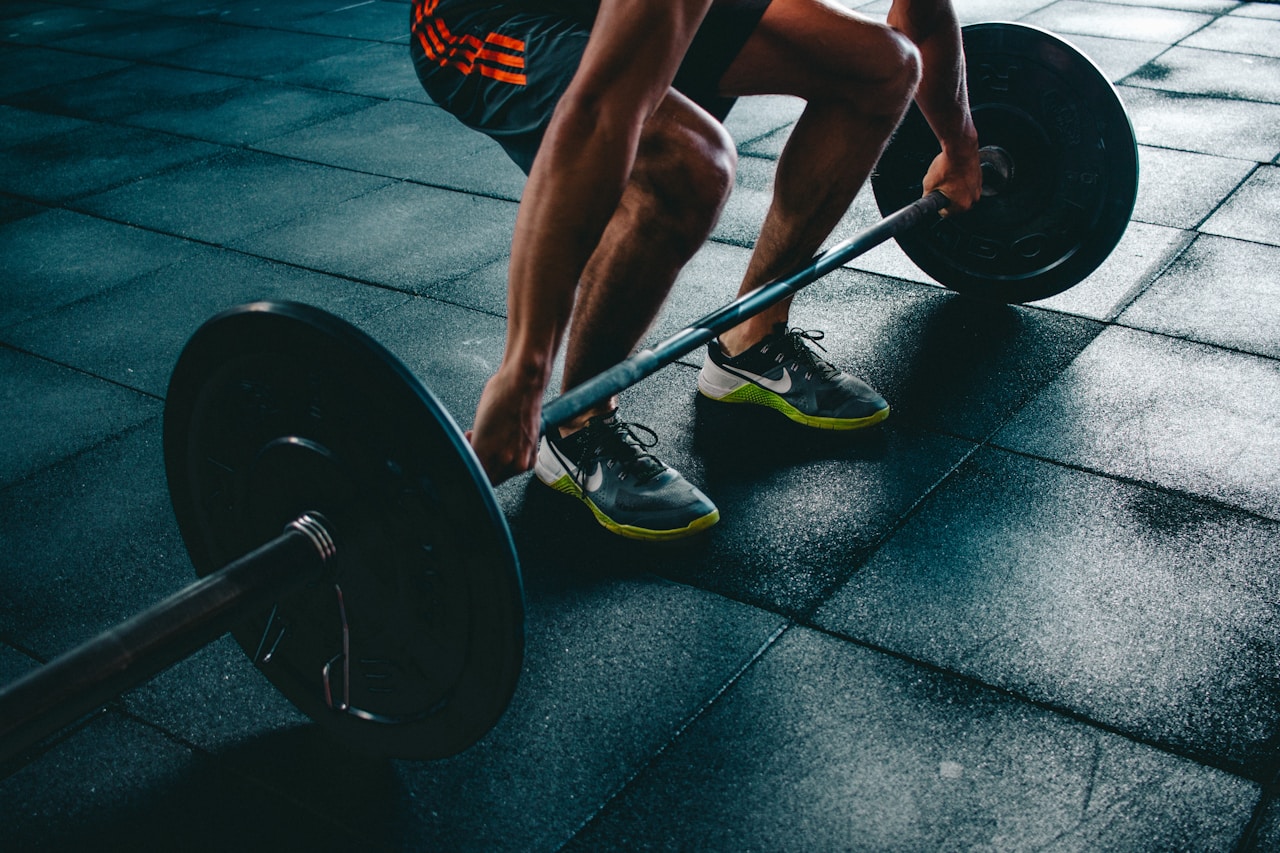
1. What “bone-friendly” loading actually means
Bone responds to magnitude, rate, and novelty of force. Jogging supplies repeated moderate impacts; barbells supply high peak forces in short windows. Both can be useful depending on joint tolerance. For many adults, two to three full-body strength sessions weekly, each including 6–10 hard sets for large muscle groups, already nudges remodeling signals. Progressive overload—adding a little weight, a slower tempo, or an extra rep in good form over weeks—matters more than chasing one-rep maxes. Multi-joint patterns (squat, hinge, push, pull, carry) distribute stress across angles instead of isolating fragile segments. Carries and step-ups quietly load the hip abductors that keep you stable on uneven pavement.
2. Nutrition and hormones set the ceiling
Training provides the signal; protein, calcium, vitamin D status, and overall calories provide substrate. Severe underfueling—common in endurance athletes or restrictive diets—can blunt bone gains even when lifting looks impressive on Instagram. Menopause shifts estrogen curves, changing relative resorption risk; lifting still helps, but timing of nutrition and clinical therapies belongs with a doctor. Young athletes in high-impact sports need enough fuel to match bone stress; recurrent stress injuries are sometimes a red flag that loads outpaced recovery resources.
3. Safety layers for spine and wrists
Neutral spine bracing during hinges and squats reduces flexion-compression moments on vertebral bodies—especially important if osteopenia is known. Wrist wraps are not cheating when load tolerance is the limiter; they keep force lines cleaner while grip strength catches up. Box squats and trap-bar deadlifts shorten learning curves for people who fear forward folding. Avoid uncontrolled end-range spinal flexion under load when bone fragility is suspected; rotational power can be trained with medicine balls through hips first. Pain that is sharp, pinpoint, or worsening nightly is a stop sign, not a “weakness leaving the body.”

4. Balance, power, and fall risk
Fracture prevention is not only density on a DEXA scan; it is not hitting the ground. Quick step reaction drills, tandem walks on safe surfaces, and lateral hops at submaximal height train the nervous system to recover mid-stride. Power training—sit-to-stand jumps, kettlebell swings with crisp hips—improves rate of force development so a stumble becomes a save. Pair these after warm-up but before heavy fatigue so quality stays high. Older adults progress from two-foot jumps to single-foot only when landing is silent and knees track well.
5. Programming skeleton for busy weeks
Day A: hinge pattern, horizontal push, row, farmer carry. Day B: squat pattern, vertical push, pull-down or chin assistance, core bracing. Day C (optional): lighter circuits emphasizing single-leg work and plyometrics. Each main lift uses 3–5 sets of 5–8 controlled reps leaving 1–2 reps in reserve early on, tightening to 0–1 RIR only during short progression blocks. Deload every fourth week if sleep or joints trend worse. Track grip strength, vertical jump or chair-rise time, and subjective joint stiffness alongside bar numbers—bone-adjacent wins show up in daily life first.
6. Myths that waste time
“Light weights for high reps ‘tones’ bone.” Without meaningful tension or novelty, bone stimulus plateaus. “Running is enough.” Running is excellent axial load for some sites but under-targets upper body and lateral stability unless paired. “If I feel fine, density is fine.” Silent loss happens; screening guidelines exist for a reason. “Supplements replace lifting.” Calcium and vitamin D matter, but they do not recreate strain vectors.
“Older adults should avoid weights.” The opposite is closer to truth: guided resistance is among the most scalable tools to maintain independence, provided loads ramp gradually and vision or inner-ear issues are accounted for in balance drills. “Yoga alone replaces lifting.” Yoga improves posture and mindfulness but rarely supplies the peak contractile forces that heavy resistance provides; blend both instead of choosing one canonically “gentler.” “Teens should not lift.” Properly coached strength work supports bone modeling windows during growth; the bigger risks are chaotic form and ego-driven max tests, not moderate barbells.
Bottom line
Strength training for bone health is patient, progressive loading plus skills that keep you upright. Start where you are, log sessions, and celebrate boring consistency—dense bones and confident movement accrue in seasons, not single bootcamps. If you already love endurance sport, keep it; just anchor the week with iron so the skeleton hears the message too.