
Mobility versus stability: a practical frame for knee, shoulder, and low-back annoyances
Stretching feels productive, but many aches respond faster to control, load management, and sleep than to another hour of passive bending.
Share this fact

Two words, two different jobs
Mobility is the usable range you can control through a joint—hip flexion you can own without collapsing into the lower back. Stability is the ability to hold alignment while forces try to bend you—landing a jump without knees diving inward, pressing overhead without ribs flaring into a fake arch. Social feeds blur the pair into endless foam rolling, yet many everyday athletes need graded strength through length more than another passive minute on the floor. This article is educational, not a substitute for evaluation if numbness, night pain, or traumatic injury appears.
1. When stretching earns its keep
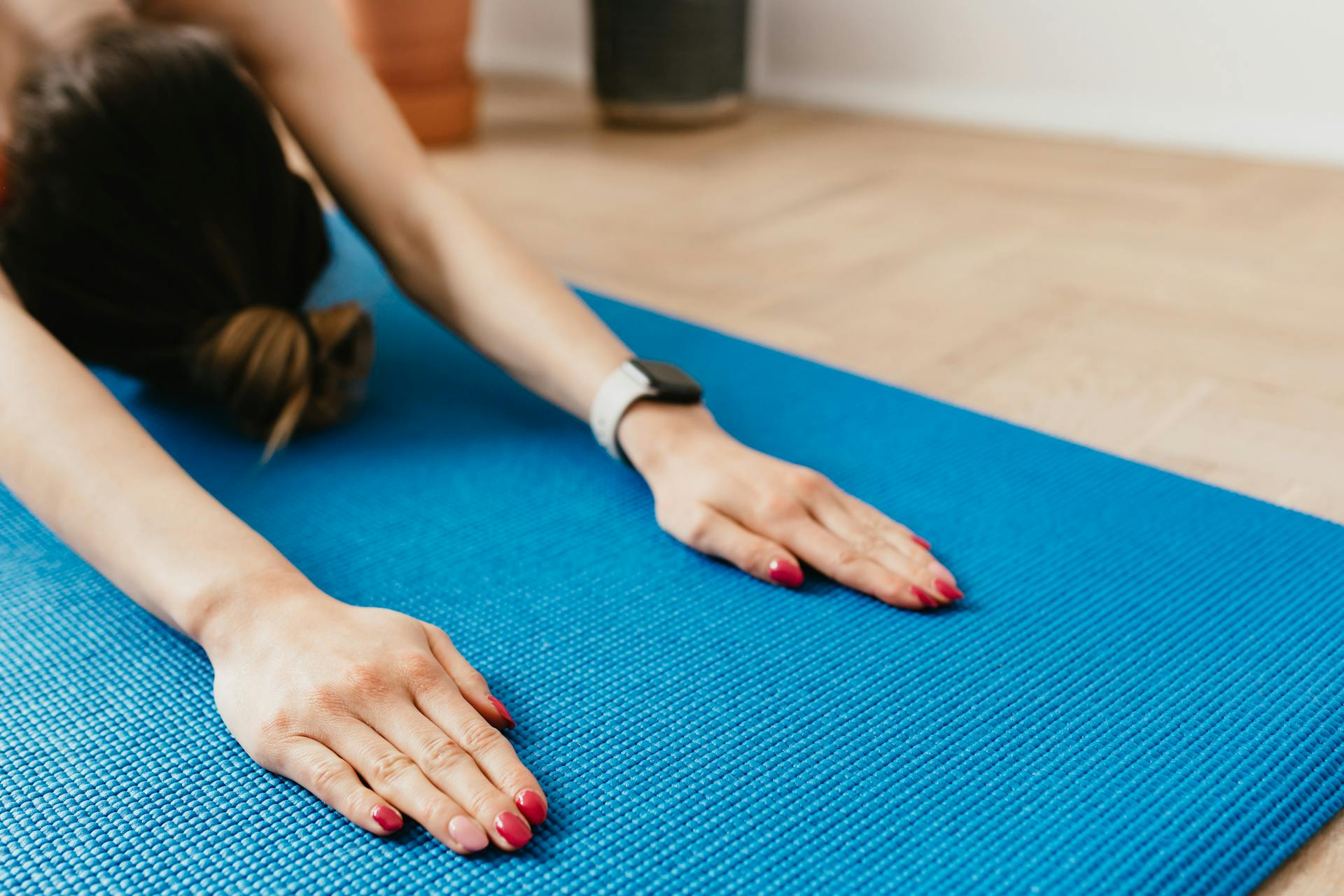
Stretching helps acute muscle tightness after unusual volume—think calves after a hilly race—or when stress posture keeps shoulders parked at the ears. Gentle PNF-style contractions inside a comfortable range often beat ballistic bouncing. Limit passive holds to thirty to sixty seconds per side, two rounds, unless a clinician prescribes otherwise. If range improves temporarily but pain returns within minutes, you are treating a symptom while stability upstream stays weak.
2. Knees: mobility checks that actually map to gait
Ankle dorsiflexion and hip internal rotation quietly decide whether the knee receives torsion on each step. Wall knee-to-wall tests and split-stance hip shifts expose hidden stiffness. If squatting always drives knees inward despite cues, try tempo box squats with a mini-band above knees to teach external rotation torque without loading panic. Track soreness patterns: pain above the kneecap after jumping often links to quad tendon load management; pinching under the patella after sitting may need patellar tracking assessment beyond stretching.
3. Shoulders: stability before fancy shapes
Overhead discomfort often improves when serratus anterior and lower traps learn to team up on incline plank plus reaches and landmine presses before chasing extreme shoulder flexion on rings. External rotation isometrics at ninety degrees abduction rebuild capacity in the rotator cuff without flaring ribs. If overhead range is limited but painless, thoracic extension drills on a foam roller—slow, not aggressive—can unlock false stiffness. Sharp pinch on certain angles is not a stretch-to-win scenario.
4. Low backs: hinge pattern beats toe-touch contests
Touching toes proves little if hinging at lumbar segments substitutes for hip flexion. Romanian deadlifts with dowels along the spine teach stacked ribs over pelvis while hamstrings lengthen under load. Carry variations brace the QL region isometrically. If morning stiffness exceeds thirty minutes or travels below the knee with numbness, stop self-programming and escalate care.

5. A weekly template that fits real schedules
Two short mobility flows (ten minutes) post-workout on strength days, plus one longer recovery session (twenty minutes) on a day off, beat marathon Sunday-only sessions. Anchor each flow to breathing: inhale to expand, exhale to move into range without grabbing. Pair every stretch-heavy minute with one stability set—split squat isometric, Pallof press, dead bug—so tissues learn to use new range.
6. Red flags that deserve professionals, not playlists
Seek evaluation for progressive weakness, night pain that wakes you, fevers with joint swelling, bowel or bladder changes after trauma, or numbness in the groin saddle area. Those patterns exceed the scope of blog programming. Otherwise, patience plus graded exposure wins.
Takeaways
Know the difference: mobility is controlled range; stability is confident control under load. Stretch when tightness is real, but invest in strength through length, hinge skill, and sleep for knees, shoulders, and backs that keep showing up Monday after Monday.