
Sleep and training: how rest hours quietly decide your next workout
Deep sleep stages support tissue repair, motor learning consolidation, and appetite regulation—skimping turns hard sessions into injury dice rolls.
Share this fact

🌙 Sleep and training: the invisible coach you cannot outsource
Training applies stress; sleep is when much of the adaptation ledger closes. During slow-wave sleep, growth-hormone pulses and tissue repair processes tick faster; REM phases stitch motor memories from clumsy reps into smoother patterns. Short sleep blunts glucose tolerance and nudges appetite hormones toward cravings, which makes body-composition goals harder even when macros look perfect on paper. Reaction time drops, ACL-type missteps become more common, and mood volatility rises—bad math for anyone juggling barbells and deadlines. None of this replaces medical care for insomnia disorders; it simply explains why chronic under-sleep caps progress for otherwise disciplined athletes.
This article is general education. If you snore loudly, stop breathing at night, or fall asleep unintentionally during tasks, seek clinical evaluation—those patterns change training prescriptions.

1. What actually recovers overnight
Muscles repair microtears from eccentric loading; tendons remodel collagen alignment after repetitive jumps; neural drive resets so tomorrow’s heavy squat feels crisp instead of muddy. Glycogen refills when carbohydrate is available, influencing how Tuesday’s intervals feel if Monday emptied stores. Inflammatory signaling calibrates—acute inflammation after training is normal; chronic sleep debt keeps background inflammation higher, slowing joint comfort. Pain thresholds drift: the same knee niggle reads louder when sleep is thin. Understanding these mechanisms helps you stop moralizing fatigue as weakness and start protecting sleep like equipment.
2. Red flags that your training outran recovery
Plateaus alone are normal; clusters of warning signs are not. Watch for resting heart rate creeping upward morning after morning, irritability over small coaching cues, lost enthusiasm for sessions you used to enjoy, repeated colds, elevated perceived effort at usual warm-up power, or needing extra caffeine to feel baseline. Women may notice cycle irregularities when energy availability plus sleep debt stack. Pulling a deload week fixes load management; if symptoms persist after sleep improvement, investigate medical causes.
3. Evening habits that cost less than they sound
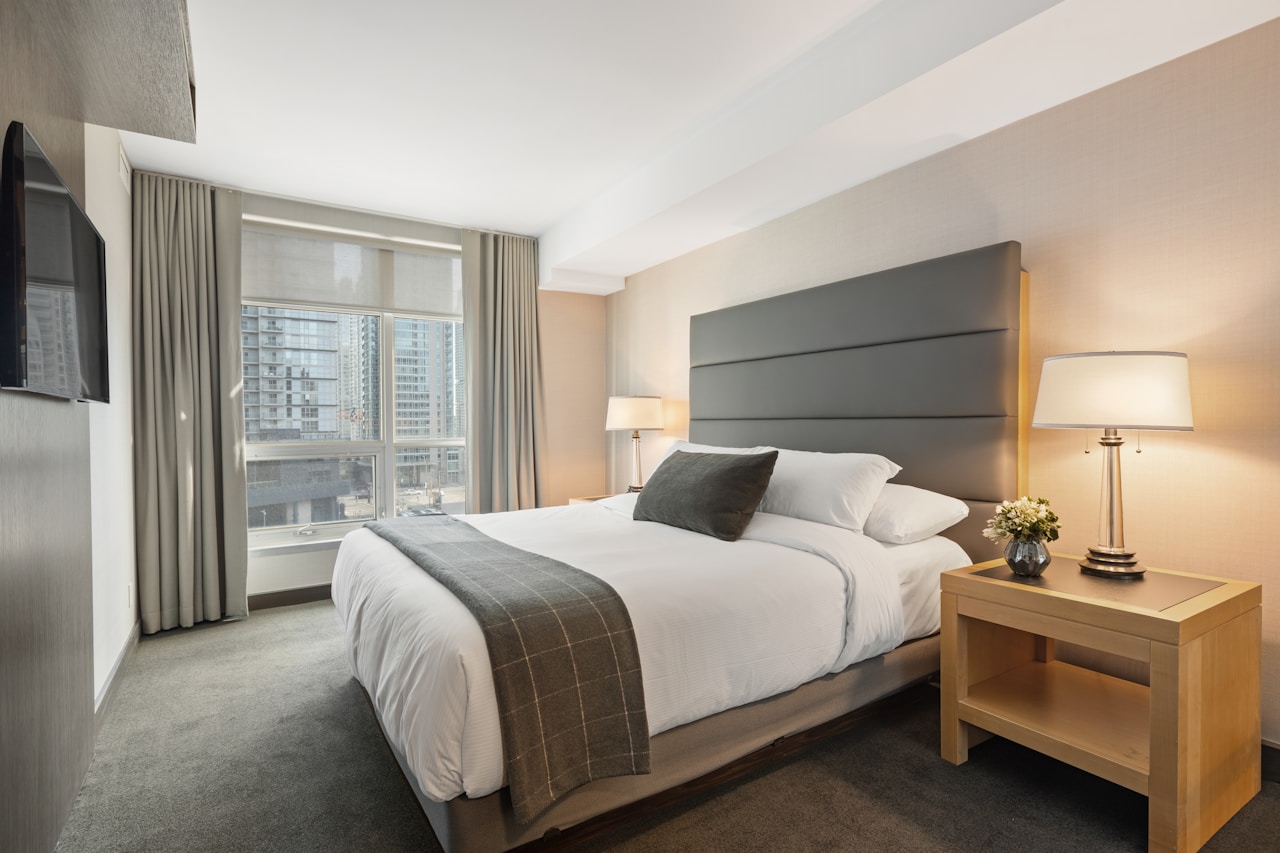
Light discipline matters: dim overhead bulbs, shift reading to warm-spectrum lamps, and end scrolling 30–60 minutes before target lights-out when possible—not because blue light is magic evil, but because arousal from content keeps adrenaline up. Caffeine curfew near noon for sensitive metabolizers prevents adenosine blockade at midnight. Alcohol fragments sleep architecture even when it knocks you out quickly; treat it honestly in training logs. Cool rooms (around common recommendations of 65–68°F / 18–20°C) support core temperature drop. Consistent wake times anchor circadian rhythm tighter than perfect bedtimes for some shift workers.
4. Naps, caffeine timing, and shift workers
Power naps of 10–20 minutes can restore alertness without heavy sleep inertia if taken mid-afternoon. Longer naps may steal pressure from night sleep unless you are in intentional two-sleep schedules. Caffeine strategic—small doses before key cognitive or athletic tasks—beats all-day drips that flatten sensitivity. Rotating-shift employees benefit from anchor sleep: protect a core block daily even if clock time moves, and use bright light after night shifts cautiously to avoid delaying the next block. Youth athletes juggling travel leagues need sleep extension windows on weekends without swinging bedtimes wildly.
5. Matching training type to sleep sensitivity
Heavy eccentric blocks demand more repair bandwidth—schedule them when work stress is lower. High-volume hypertrophy phases need carbohydrate timing support and earlier bedtimes because overnight protein synthesis still prefers you to be asleep, not doom-scrolling. Competition weeks should bias sleep opportunity over extra accessory curls. Endurance doubles split morning and evening only if the second session is truly easy or the athlete historically tolerates split days; otherwise, consolidate to protect a single long sleep.

6. Metrics without obsession
Wearables estimating sleep stages are imperfect but useful for trend spotting: same device, same wrist, interpret week-over-week. Subjective readiness scales (1–10) beside workout notes often correlate better with injury windows than any single HRV number for non-elites. If data spikes anxiety, delete the app for a month and return to basics—sleep opportunity hours and how you feel warming up still work.
Heart-rate variability apps can show when autonomic stress is elevated, but morning readings swing from hydration, alcohol, menstrual phase, and device placement. Use HRV as a conversation starter with yourself—should today’s sprint become tempo?—not as a moral scorecard. Training diaries that pair hours slept, caffeine, and session RPE expose patterns faster than any algorithm for many athletes.
7. Travel, time zones, and competition jitters
Jet lag responds to light exposure and meal timing more than melatonin gummies alone. Westward travel often tolerates staying awake until local bedtime better than eastward jumps that ask you to fall asleep “too early” biologically; short strategic naps help bridge gaps. Pre-competition nerves spike cortisol—normal—but stacking them with all-night video games destroys the point of taper weeks. Pack earplugs, mask, familiar pillowcase, and keep the room colder than home if hotels run warm. Morning outdoor walks at the destination anchor clocks faster than indoor treadmill alone.
Bottom line
Treat sleep as non-negotiable infrastructure: it decides whether this month’s program becomes strength or strain. Stack boring wins—regular schedule, dim evenings, caffeine honesty, cool room—before chasing exotic supplements. Rested athletes absorb coaching, choose better foot placements, and stop sets before tissues fail; that is the performance edge hiding under the pillow.
When life genuinely blocks eight hours, protect the edges: a ruthless bedtime on Sunday saves Monday’s squat pattern more than another accessory Instagram circuit. Sleep is the most democratic performance enhancer—no prescription, no shipping delay—just a decision to close the laptop.