
Protein across the day: spacing that supports muscle maintenance
Repeated protein-rich meals lift amino acid availability for older adults and busy trainees more reliably than one giant dinner.
Share this fact

🥗 Protein across the day: muscle likes rhythm, not just totals
Total daily protein matters, but muscle protein synthesis is a recurring process—like topping up a leaky bucket. Spreading protein across three to five eating occasions keeps circulating essential amino acids, especially leucine, above the threshold that flips cellular “build” switches more often. That rhythm helps masters athletes, shift workers, and anyone rebuilding after illness who cannot crush 80 grams in one sitting without gut distress. Plant-forward eaters gain extra leverage from distribution because individual meals may land under leucine threshold unless legumes, soy, quinoa, or dairy hybrids stack intentionally.
This article is general nutrition education, not a medical renal diet plan. People with kidney disease need individualized protein targets from their care team.

1. Practical anchors by body size
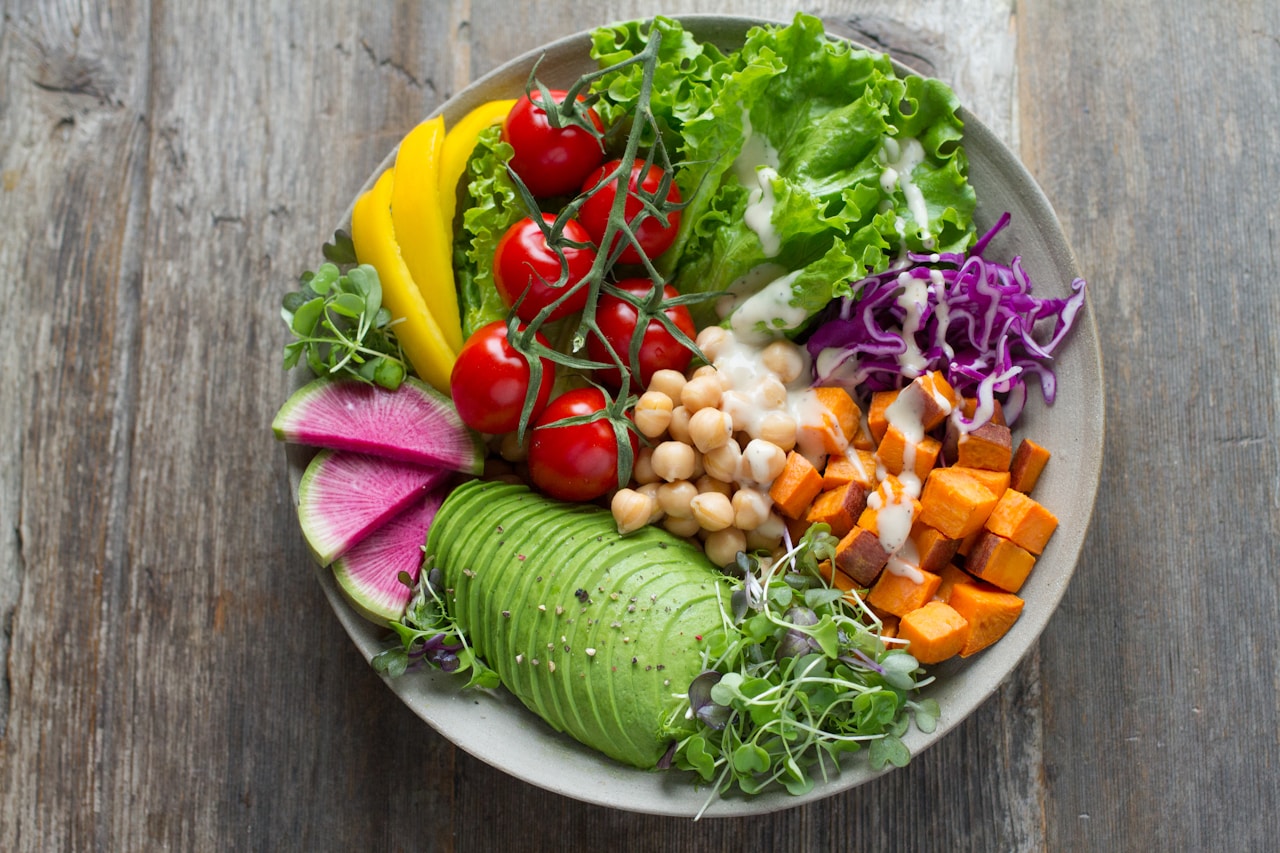
Heavier trainees often land near 1.4–1.8 g protein per kg body weight daily during hard hypertrophy blocks; maintenance phases may sit closer to 1.2–1.6 g/kg depending on sex, age, and calorie level. Smaller athletes translate those grams into 30–45 g per meal for three meals plus a snack. Older adults fighting sarcopenia bias toward the upper end of safe ranges their kidneys tolerate, emphasizing breakfast because skipping morning protein is common and costly. Vegetarians combine lentils plus rice, peanut butter on grainy bread, or tofu scrambles to widen amino acid profiles within the same meal.
2. Training day nuance without superstition
Pre-workout protein within a few hours supports performance and reduces excessive muscle breakdown when the last meal was small. Post-workout timing is flexible: the 24-hour net dominates, but if dinner is six hours away, a 20–30 g dairy or soy shake bridges the gap smartly. Endurance athletes adding strength blocks should not fear carb plus protein together—glycogen refilling and repair are not enemies. Late-night lifters need not force food if they trained midday and ate adequately; sleep quality still matters more than a ritual shake at midnight.
3. Whole foods first, powders as tools
Powders are convenient, not magical. Whey digests quickly; casein clots slowly—both can fit schedules. Pea–rice blends approximate dairy amino profiles for vegans. Read labels for third-party testing if supplements matter to your anti-doping rules. Whole-food wins include calcium from dairy, creatine from meat (though supplemental creatine is cheap), and fiber from legumes that shakes skip. Budget shoppers can lean on canned fish, eggs, cottage cheese, frozen edamame, and bulk beans cooked weekly.
4. Common mistakes that waste grams
Liquid calories without chewing sometimes fail to register satiety, leading to overeating later—track hunger cues, not only macros. Fear of dietary fat pushes people toward dry chicken breasts repeatedly, making meals joyless and fat-soluble vitamin absorption worse. Ignoring hydration thickens blood slightly and worsens perceived effort even when protein is fine. Copying bodybuilder meal plans while training twice weekly overloads kidneys and grocery bills without extra stimulus.
5. Sample day for a 75 kg strength trainee
Breakfast Greek yogurt, berries, oats (~35 g). Lunch chicken burrito bowl with double beans (~40 g). Snack cottage cheese and fruit (~25 g). Dinner salmon, potatoes, broccoli (~45 g). That lands near 145 g without powders—add a shake only if appetite lags. Vegan swap: tofu scramble, tempeh lunch bowl, edamame snack, seitan stir-fry—watch B12 and iodine elsewhere in the week.
6. Aging, illness, and appetite dips
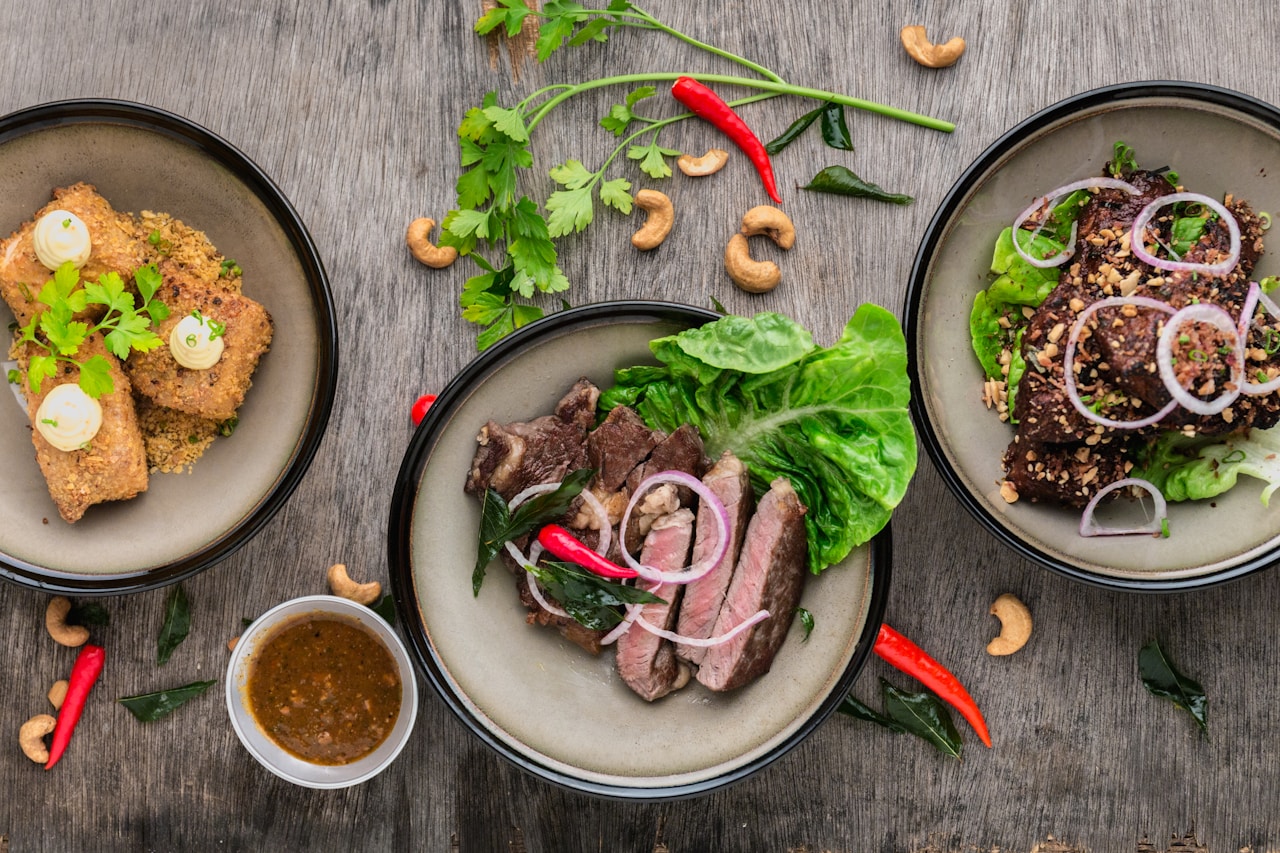
After surgery or infection, protein needs rise while appetite falls—smaller, denser meals (Greek yogurt instead of broth soup only) protect lean mass. Chewing difficulty pushes people toward low-protein mush; blend silken tofu into soups or use milk powders where culturally acceptable. Dysphagia patients need clinician-textured diets, not internet bro science.
7. Calorie deficits and endurance blocks
When dieting, protein becomes the priority macronutrient because it defends lean tissue while fat stores supply slower fuel. Endurance athletes in two-a-day camps often split protein across four meals plus recovery to match repeated muscle damage windows. Intermittent fasting styles that skip breakfast can still work if the first meal carries 40–50 g protein—distribution shifts, but thresholds must still clear. Women with luteal-phase cravings may time slightly higher protein snacks mid-afternoon to stabilize energy without chasing ultra-refined sweets alone.
8. Label literacy and dining out
Restaurant portions skew carb-heavy; ask for double vegetables, add grilled fish, or choose broth-based pho with extra tofu. “High protein” bars sometimes hide 15 g sugar—read back panels, not front hype. Ethnic cuisines already solved distribution: mezze plates, thali small bowls, Japanese breakfast sets—borrow their structure instead of inventing sad plain chicken forever.
Bottom line
Protein distribution is behavior design: set recurring anchors—breakfast not barren, lunch not carb-only, post-training bridge—and totals take care of themselves. Muscle listens to patterns, not single heroic meals. Keep meals recognizable, enjoyable, and repeatable; that is how nutrition actually sticks beside training logs.
If you batch-cook Sundays, pre-portion protein into containers so Monday-Wednesday autopilot stays above threshold even when willpower dips. Freezer packs of cooked lentils, grilled chicken strips, or marinated tempeh turn “empty fridge panic” into another win. Small systems beat heroic memory every time.