
Five proven ways to lower cholesterol and what they protect you from
Fiber-rich eating, consistent movement, weight care, smoke-free habits, and smart follow-up with your clinician stack together to pull LDL down and support long-term heart health.
Share this fact
🫀 Five habits that reliably pull cholesterol in a healthier direction
Cholesterol is not “bad” by itself—your liver makes it, nerves and cells use it—but too much LDL cholesterol in the blood for too long makes it easier for plaque to build up in arteries. That process, called atherosclerosis, raises the odds of heart attack, stroke, and circulation problems. HDL helps carry cholesterol back toward the liver for recycling, while triglycerides—blood fats that rise after large sugar or alcohol loads—often move in tandem with LDL when metabolism is under strain. The good news is that daily habits stack: you rarely need one perfect diet or one heroic workout; you need a repeatable pattern you can keep for years. This article explains five practical levers people use together, and which health problems those levers are most often tied to in research and public-health guidance. It is education, not a prescription—always coordinate targets and medicines with a licensed clinician, especially if you already have heart disease, diabetes, liver disease, or you take statins or other lipid-lowering drugs.
If your last lab slip felt like alphabet soup, focus on the trend more than a single draw: meals, sleep, stress, medications, and even hydration can shift numbers slightly week to week. The habits below are the ones guideline writers return to because they are safe for most people, inexpensive compared with procedures, and measurable when you repeat a lipid panel after a few months of honest effort.

1. Build a fiber-forward, fat-smart eating pattern
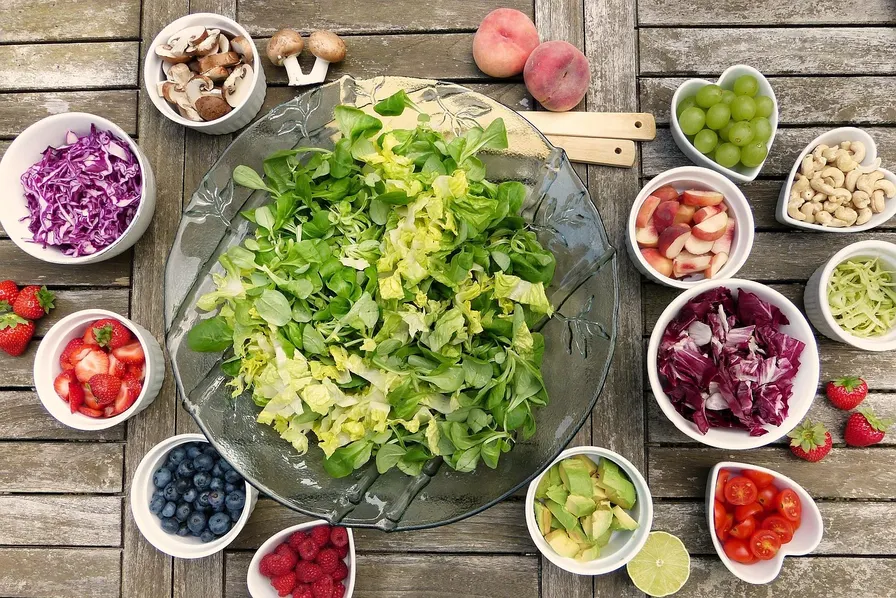
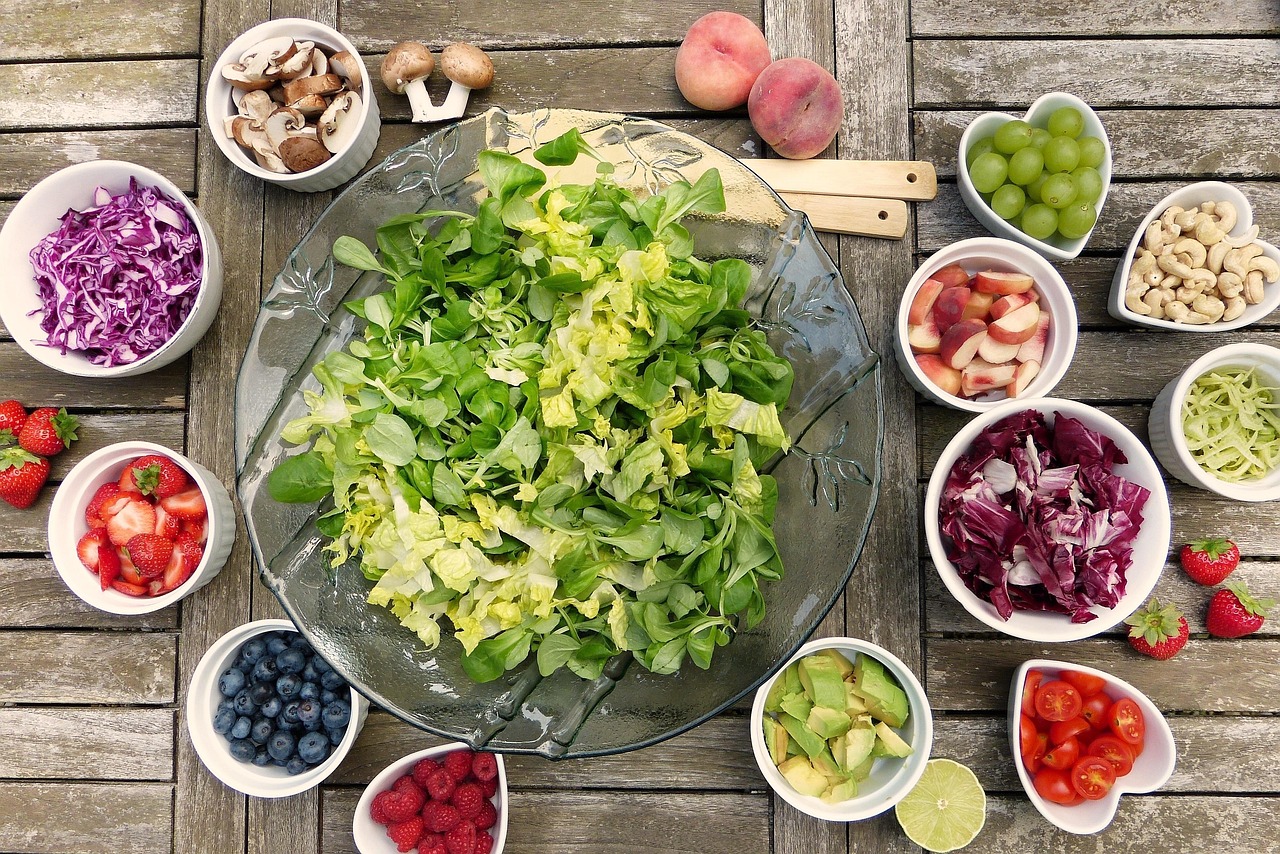
Soluble fiber—found in oats, barley, beans, lentils, apples, citrus, and psyllium—acts like a sponge in the digestive tract and can reduce how much cholesterol is reabsorbed, which nudges LDL down for many people. Unsaturated fats from olive oil, nuts, seeds, and fatty fish support a healthier lipid profile compared with heavy saturated fat from ultra-processed meats, butter-heavy baking, and frequent deep-fried fast food. Trans fats (still worth avoiding wherever they appear on labels) are the worst actors for LDL and inflammation. You do not need perfection; you need defaults: breakfast with oats or beans, salads with olive oil, fish twice a week if you eat fish, and snacks that are not mostly palm oil and sugar. This pattern is most often discussed in the context of atherosclerotic cardiovascular disease prevention—meaning coronary artery disease, ischemic stroke, and related events—because LDL lowering is one of the clearest bridges between food and long-term plaque risk. It also supports people managing high blood pressure and type 2 diabetes, where lipids and glucose move together.
2. Move on purpose—both cardio and strength
Exercise changes cholesterol indirectly as much as directly: regular aerobic activity (brisk walking, cycling, swimming, dancing) improves insulin sensitivity, helps with visceral fat, and can raise HDL modestly in some individuals. Resistance training twice a week protects muscle during weight loss so more of the scale change comes from fat, which tends to help triglycerides and overall metabolic health. Public guidelines commonly land near 150 minutes per week of moderate cardio plus muscle-strengthening sessions; if you are starting from zero, ten-minute walks after meals already move the needle. This lever is emphasized for metabolic syndrome, nonalcoholic fatty liver disease (where triglycerides and liver fat track together), and peripheral artery disease rehabilitation plans where supervised walking improves leg symptoms and function. Always escalate intensity with your clinician if you have unstable chest pain, severe valve disease, or recent cardiac events.
3. Protect a stable, realistic weight—especially around the waist
You do not have to chase a magazine cover photo; you do want to avoid slow yearly creep of visceral fat that raises triglycerides and lowers HDL. Waist circumference is a simple proxy many clinics track because it correlates with metabolic strain. Weight loss of even 5–10% in people with overweight often improves LDL, triglycerides, and blood pressure together. Pair nutrition changes with sleep (short sleep disrupts appetite hormones) and stress skills (chronic stress can drive comfort eating and missed workouts). This bundle matters most where obesity-related risk clusters: type 2 diabetes, sleep apnea, fatty liver, and hypertension—all of which accelerate cardiovascular wear when left unaddressed.
4. Go smoke-free and keep alcohol in a conscious lane
Smoking injures blood vessel lining, makes LDL more harmful, and speeds plaque formation even when cholesterol numbers look “okay.” Quitting is one of the fastest returns on investment for heart and stroke risk. Alcohol is trickier: small amounts are sometimes framed casually in culture, but heavy drinking raises triglycerides and blood pressure and adds liver injury risk. If you do not drink, no guideline should push you to start; if you drink, honest moderation and alcohol-free weeks can matter more than trendy “heart healthy” myths. These choices show up strongest in prevention conversations for heart attack, stroke, aortic and peripheral vascular disease, and alcoholic fatty liver pathways.
5. Treat numbers as a long game with your care team
Habits move averages; medications such as statins move LDL powerfully when risk is high or genetic cholesterol disorders enter the picture. Adherence problems are common—not because people are careless, but because side effects, cost, or fear get in the way. A good clinician will match intensity to risk: family history of early heart attack, LDL persistently very high, diabetes, chronic kidney disease, or known artery disease usually argue for stronger therapy than lifestyle alone. Home habits still matter on medicines; they reduce the dose you might need and protect blood sugar, liver, and muscle environments. Bring a written list of supplements and over-the-counter products to visits—some combinations are harmless marketing, but others can interfere with liver enzymes that process statins or can quietly raise blood pressure. This pillar is central for familial hypercholesterolemia management support, secondary prevention after stent or bypass, and diabetic dyslipidemia where LDL, triglycerides, and HDL can all misbehave at once.
Where these five levers show up in real-world disease prevention
When guidelines talk about lowering cholesterol, they are usually aiming to reduce lifetime atherosclerotic events: angina and heart attack from coronary narrowing, ischemic stroke when brain arteries choke on plaque or clots, and leg pain with walking from peripheral artery disease. Lipids also intersect with chronic kidney disease, where vessels stiffen earlier, and with polycystic ovary syndrome and other insulin-resistant states where triglycerides creep up. Nonalcoholic fatty liver disease often improves when triglycerides fall and visceral fat shrinks—another reason strength training and sugar control belong in the same conversation as “cholesterol.” No habit erases genetics, but stacking fiber, movement, weight stability, smoke-free living, and appropriate medical therapy is how most people build durable protection.
Bottom line: the five strategies—smart eating with soluble fiber and better fats, mixed cardio and strength training, waist-aware weight stability, smoke-free and mindful alcohol choices, and shared decision-making with clinicians about labs and medicines—are the backbone of cholesterol lowering in public health and cardiology education. Start with the lever you will actually keep this month, add the next, and retest lipids on the schedule your clinician recommends so progress becomes visible, not guesswork.