Exercise snacks for desk workers: micro-movement that stacks into fitness
Two-minute movement breaks every hour can blunt post-meal glucose spikes and undo some chair-shaped stiffness without a gym pass.
Share this fact
🪑 Exercise snacks for desk workers: motion too small to “count” still counts
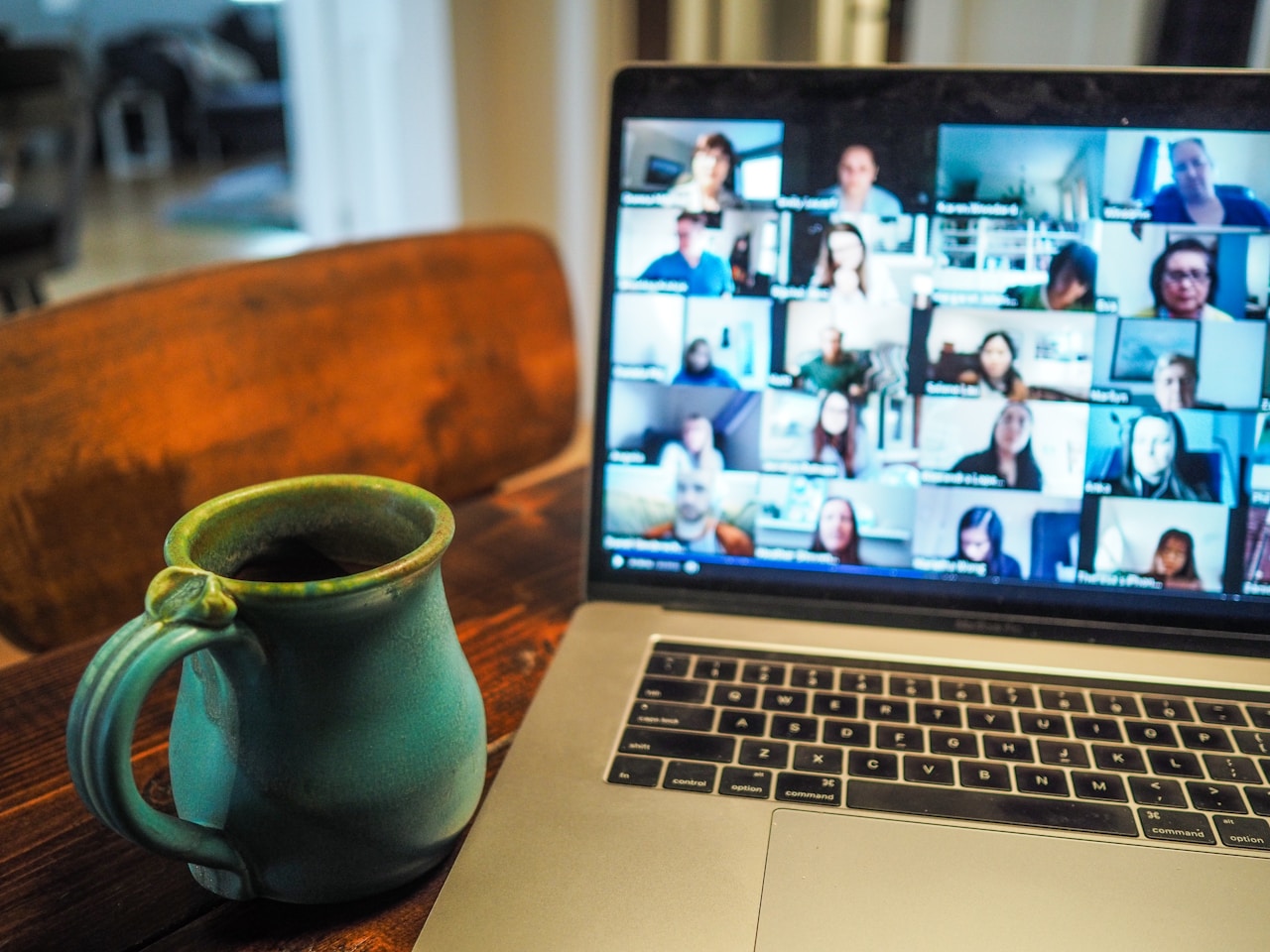
Exercise snacks are brief movement bouts—often one to five minutes—sprinkled through sedentary days. They are not replacements for structured strength or cardio, but they interrupt sitting geometry that stiffens hips, weakens glutes, and slows blood flow in calves. Research-style glucose studies show post-meal walks blunt glycemic excursions even at easy paces; psychologically, snacks reset attention so deep work returns sharper. Think of them as micro-doses of hygiene for a body built to roam, now parked in Zoom rectangles.
This article is general wellness education, not an ergonomic assessment. If you have radicular pain, acute DVT history, or balance disorders, get clearance before aggressive mobility experiments.
1. The office-friendly menu
Hourly stack: thirty seconds of wall angels, ten body-weight squats to a chair, twenty calf raises, and a thoracic rotation each side—under two minutes, no sweat stain. Post-lunch: five-minute brisk hallway lap or stair climb. Hip flexor lunge stretch thirty seconds per side resets chair-shortened psoas. Grip squeeze with a folded towel fights typing-induced fatigue. Eyes-up breaks pair with shoulder rolls to reduce neck creep. None of these require Lycra or shame; they are stealth maintenance.
2. Cues that actually trigger habits
Calendar alarms labeled “snack walk” beat vague intentions. Pairing: after every video call, stand and sip water while pacing. Printer placement across the room forces micro-walks. Walking meetings for one-on-ones add low-stakes Zone 2. If you game, queue times become mobility rounds. Parents can use kid handoffs at school gates as calf-raise stations—creativity beats perfection.
3. Remote work traps and fixes
Kitchen proximity increases grazing; snacks of movement do not cancel cookies, but they improve insulin sensitivity slightly and reduce mindless eating by changing context. Second monitors encourage turtle necks—raise screens to eye level and move keyboards so elbows rest near ninety degrees. Standing desks help only if you shift weight; static standing is barely better than sitting—rock foot-to-foot, mini-lunges, soft mat under shoes.
4. Stacking snacks with real training
If you lift evenings, morning snacks keep joints lubricated so warm-ups feel shorter. If you run mornings, afternoon snacks prevent eight-hour freeze before easy Zone 2 commutes home. Travel days use airport walks and hotel body-weight flows so jet lag does not erase weekly volume entirely. Track weekly steps plus structured sessions together; snacks bump the former without cannibalizing the latter if intensity stays honest.
5. Social and cultural buy-in
Teams that normalize stretching before stand-ups reduce peer pressure to stay glued. Managers can model walking one-on-ones without implying slacking. In cultures where elder respect discourages younger staff from moving first, rotate snack leaders weekly so novelty beats embarrassment. Classrooms apply the same science—kids are not the only ones who need recess.
6. Metrics that stay lightweight
Step count weekly averages show if snacks moved the needle. Subjective stiffness scale (neck, low back) logged alongside snacks reveals correlations faster than posture apps. Blood glucose for people with CGM can validate post-meal walks—useful feedback loop, not obsession. If metrics bore you, single rule: every full hour, stand before the next email reply.
7. When snacks are not enough
Persistent numbness, swelling, one-sided calf pain after travel, or night pain needs medical channels, not more toe taps. Depression-level fatigue is not fixed by burpees alone—seek counseling and sleep help concurrently. Training for sport performance still demands periodized overload, not only snacks.
8. Ergonomics plus movement: both, not either-or
Chair height so feet rest flat prevents hamstring inhibition during squats later. External keyboard on a laptop stand keeps wrists neutral so snack breaks focus on hips, not inflamed nerves. Monitor arms that tilt slightly backward reduce glare headaches that masquerade as fatigue. Noise-canceling headphones cut stress arousal, making it easier to notice stiffness before it screams. None of these replace snacks; they reduce friction so snacks feel natural.
9. Seasonal and climate tweaks
Summer heat shifts snacks toward hydration walks with electrolytes if you sweat heavily; winter darkness pairs snacks with bright light exposure near windows to anchor circadian rhythm. Allergy seasons may move walks indoors to stairs without abandoning the habit. Rainy climates invest in a compact umbrella kept with work badge so weather never wins the excuse lottery.
Bottom line
Exercise snacks are low-friction glue between the big bricks of training. They make blood flow, joint exploration, and mental resets normal parts of office culture. Stack them honestly—two minutes now beats zero minutes heroically planned for later—and your future self’s spine sends thanks through fewer clicks and pops.
Share a team calendar block labeled “movement recess” if culture allows; social permission removes the awkwardness of being the only person standing. When leadership asks for ROI, cite fewer afternoon errors and lower reported back pain—soft metrics that still matter to retention.