Sunflower microgreens pack salon-level vitamin E
One cup delivers 10 mg of vitamin E, triple what spinach leaves carry, supporting skin repair for indoor workers.
Share this fact
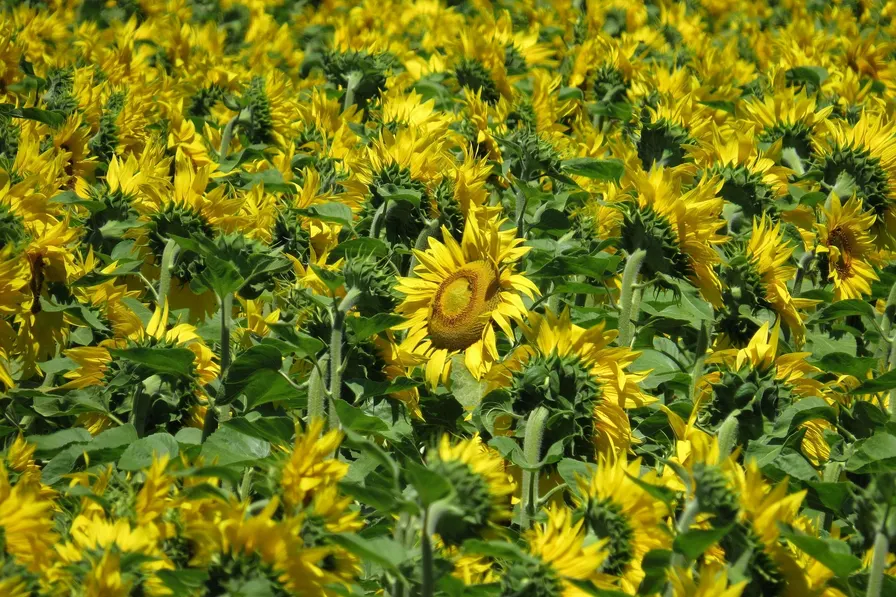
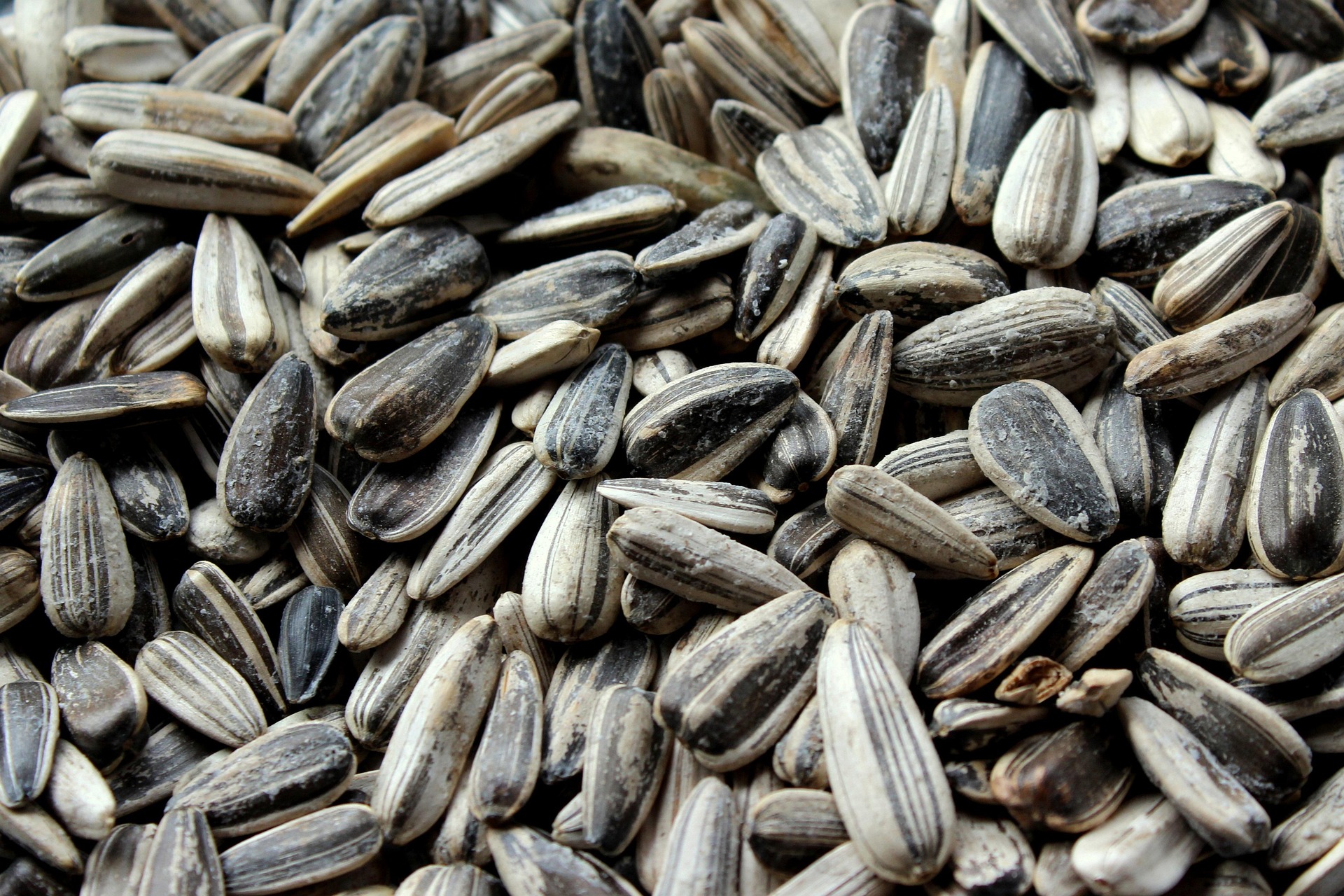
Soak hulled sunflower seeds for eight hours, spread on a tray, and mist twice a day. Shoots are ready to harvest when the first leaves open, typically day seven. One cup of those greens delivers about 10 mg of vitamin E—roughly triple the amount in a cup of spinach—putting you in the same ballpark as a single application of many salon-style serums, but from the inside out.
Store cut greens in a ventilated jar and toss them on rice bowls or blended soups. Vitamin E is lipid-soluble, so it pairs best with olive oil, tahini, or avocado in the same meal for full absorption. If you track macronutrients, a cup still clocks only about 30 calories, making it an easy boost during skin recovery, dry winter months, or after sun exposure.
1. From seed to harvest timeline
| Day / stage | What happens | Practical cue |
|---|---|---|
| Day 0 (soak) | Hulled seeds absorb water; germination enzymes activate. | Use a 1:3 seed-to-water ratio; room temperature, 8–12 h. |
| Days 1–3 (spread & mist) | Roots establish; cotyledons begin developing and accumulating tocopherols. | Mist twice daily; keep tray out of direct sun to avoid drying. |
| Day 5–7 (harvest) | First true leaves open; vitamin E and antioxidants peak in the greens. | Snip just above the soil line when leaves are fully unfolded; use within 5–7 days. |
2. Home microgreen kit for max vitamin E
- Seeds: Use hulled black oil sunflower seeds (food-grade); unhulled are harder to chew and less consistent.
- Tray: Shallow 10×20 tray with drainage holes; add a thin layer of potting mix or use a hemp mat for soilless growing.
- Soak: 1 cup seeds in 3 cups water for 8–12 hours; drain and rinse once before spreading.
- Mist: Spray bottle with filtered water; mist morning and evening so media stays damp but not waterlogged.
- Light: Indirect bright light or a low-watt grow light 6–8 hours; too much direct sun can toughen leaves.
- Harvest: Sharp scissors; cut when first true leaves are open (typically day 6–7). Rinse gently and spin or pat dry before storing.
3. Daily ways to eat sunflower microgreens
- Morning bowl: Top oatmeal or yogurt with a handful of microgreens, a drizzle of olive oil or almond butter, and a squeeze of lemon so the fat carries vitamin E and the acid keeps greens bright.
- Lunch salad: Mix with chickpeas, cucumber, and tahini-lemon dressing; the tahini provides the fat needed for absorption.
- Rice or grain bowl: Layer on warm rice or quinoa with avocado and a runny egg; heat is gentle enough to preserve most vitamin E.
- Smoothie: Blend with banana, spinach, and a tablespoon of almond butter or MCT oil so the vitamin E is absorbed instead of passing through.
- Soup finish: Add a generous handful to blended soups or miso right before serving so they wilt slightly but don’t cook; keeps nutrients and crunch.
4. Quick FAQ
How much vitamin E do I need per day? Adults need about 15 mg (22.4 IU) daily; one cup of sunflower microgreens gets you two-thirds of the way there in one sitting.
Can I use unhulled seeds? You can, but hulled seeds give tender, uniform shoots and are easier to eat; unhulled can be chewy and may reduce how much you actually consume.
Why pair with fat? Vitamin E is fat-soluble; without dietary fat in the same meal, absorption drops. Olive oil, tahini, avocado, or nuts all work.
How long do harvested microgreens keep? Store in a ventilated container or loosely wrapped in a damp cloth in the fridge; use within 5–7 days for best flavor and nutrient retention.
Are they safe for sensitive skin or acne? Dietary vitamin E supports skin barrier and repair; if you’re prone to breakouts, start with a half-cup portion and pair with anti-inflammatory fats like olive oil rather than heavy creams.
5. Biomarkers to notice
- Skin dryness: Track how your skin feels in heated or air-conditioned environments; consistent vitamin E from food can improve barrier function over 4–6 weeks.
- Sun recovery: After moderate sun exposure, note redness and peeling; adequate vitamin E may support faster recovery and less oxidative damage.
- Diet log: Aim for at least 2–3 servings of sunflower (or other vitamin E–rich) microgreens per week to hit a “salon-level” intake from food.
- Blood work (optional): Serum vitamin E (alpha-tocopherol) can be checked if you’re optimizing for skin or recovery; discuss with your provider if you supplement on top of food.
6. Troubleshooting
- Issue: Shoots taste bitter or tough. Fix: Harvest earlier (day 5–6) before stems get woody; ensure consistent misting so they don’t dry out.
- Issue: Mold on seeds or tray. Fix: Don’t over-soak; ensure good air circulation and avoid stacking trays too tightly; use a clean tray each cycle.
- Issue: Greens wilt quickly after harvest. Fix: Don’t wash until just before use; store in a breathable container with a barely damp paper towel.
- Issue: Not sure if I’m absorbing the vitamin E. Fix: Always eat microgreens with a fat source in the same meal—oil-based dressing, avocado, or nut butter.
- Issue: Can’t grow at home. Fix: Buy from farmers’ markets or grocers; ask for “sunflower microgreens” or “sunflower shoots” and use within a few days of purchase.