What honey does in the body: nutrients, pros, cons, and where evidence is strongest
Honey delivers quick energy, trace vitamins and minerals, and antioxidant phytochemicals—but it is still mostly sugar, so benefits come from smart portions, not unlimited jars.
Share this fact

🍯 What honey actually delivers once it is inside the body
Honey is a dense sugar syrup made by bees from flower nectar: roughly 80% carbohydrates, mostly glucose and fructose, plus water and a small fraction of everything else that gives aroma, color, and stickiness. That “everything else” matters for flavor and for phytochemicals (phenolic acids, flavonoids, enzymes such as invertase, and traces of organic acids) that researchers study as antioxidant and antimicrobial signals in the lab. Once you swallow honey, the body treats its sugars like other fast carbohydrates: absorption begins quickly, blood glucose rises, and insulin follows so cells can take up or store fuel. Because the fructose fraction is high, honey can taste sweeter spoon-for-spoon than table sugar to some palates, which sometimes helps people use a little less—but biochemically it still counts as added free sugar in public-health accounting. This article is general education, not medical advice; infants under one year should not eat honey, and people with diabetes should coordinate any regular use with their care team.
1. Vitamins, minerals, and what stands out in reference data
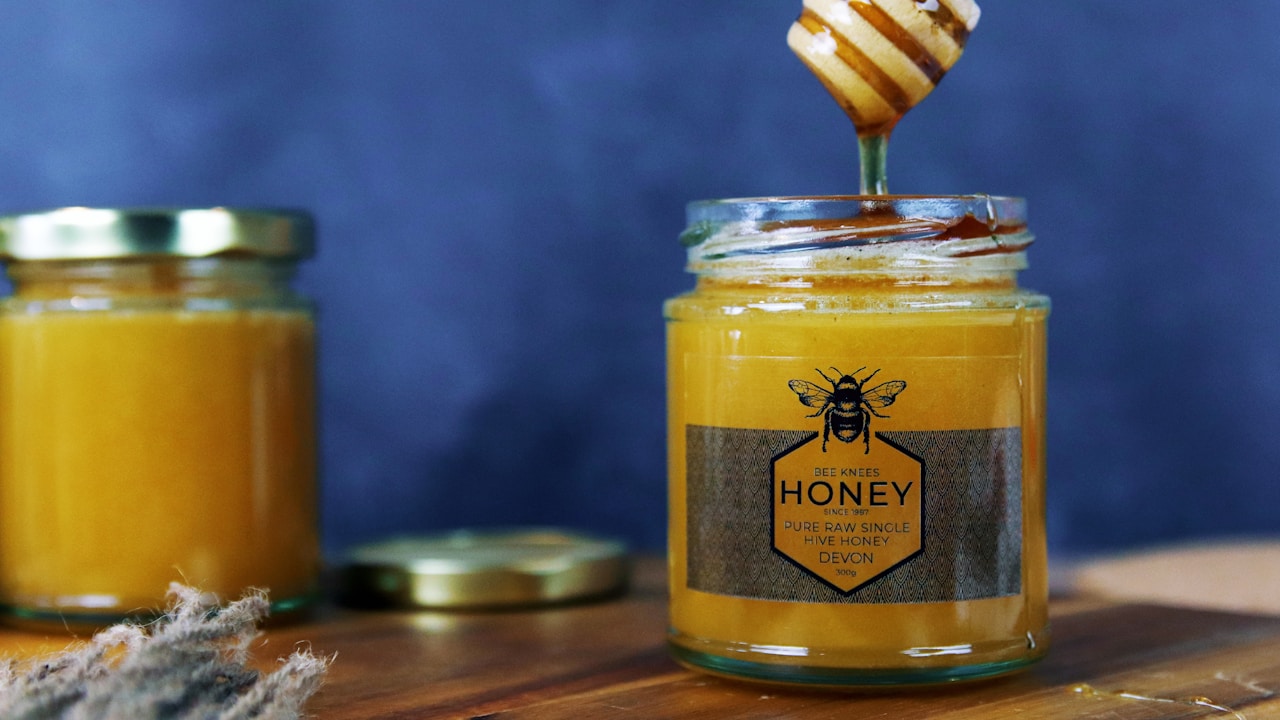
Reference tables for 100 g of honey list about 300 kcal, over 80 g sugars, and almost no protein or fat—so honey is not a “protein snack” or a vitamin pill. What it does carry are small but non-zero amounts of B vitamins such as niacin, riboflavin, pantothenic acid, vitamin B6, and folate, plus vitamin C in trace territory compared with citrus fruit. On the mineral side, potassium, calcium, iron, magnesium, phosphorus, zinc, copper, and manganese appear in milligram or sub-milligram amounts per 100 g—meaningful as chemistry, but usually minor contributors to daily targets compared with legumes, dairy, greens, or fortified foods. Dark honeys (buckwheat, chestnut, many polyfloral batches) often show higher phenolic content in studies than very pale varieties, which may shift antioxidant lab values even when calories stay similar. In real life, a teaspoon to a tablespoon is a common culinary portion, so scale every “per 100 g” number down mentally before you romanticize the micronutrient load.
2. Pros people cite with the strongest public-health or clinical backing
Cough comfort for older children and adults. Multiple reviews and trials compare a small dose of honey with placebo or common over-the-counter liquids for upper-respiratory cough. Results are modest but consistent enough that major medical groups often mention honey as an option for children older than one year—precisely because infant botulism risk excludes younger babies.
Pleasant adherence to bitter medicines or sour foods. Honey masks acidity; that is psychology as much as physiology, but it helps people drink vinegar-based dressings, bitter herbal teas, or unpleasant-tasting supplements without piling on ultra-refined syrups.
Wound care in clinical settings (medical-grade products). Outside the kitchen, FDA-cleared honey-based dressings and sterilized preparations exist for some chronic wounds and burns under professional supervision. That is not the same jar you drizzle on toast; osmolarity, sterility, and pH are controlled for safety.
Antioxidant diversity in a whole-food pattern. When honey replaces refined white sugar in an already fiber-rich diet, you trade empty crystals for a sweetener that carries more plant chemistry—still sugar, but with a wider trace fingerprint.
Quick energy for low-volume fueling. Athletes sometimes use small amounts of easily digested carbs before short efforts; honey functions like other fast fuels in that niche.
3. Cons, cautions, and where honey is a poor fit
Infants under 12 months. Honey can contain Clostridium botulinum spores; immature infant guts may allow germination and botulism, a neurologic emergency. Pediatric guidance is clear: no honey for babies under one year—not stirred into yogurt, not on a “clean” pacifier.
Blood sugar load. Honey raises glucose; glycemic index debates exist, but portion size still dominates outcomes for diabetes, prediabetes, and insulin resistance. “Natural” does not grant a free pass on meters.
Dental caries. Sticky sweets cling to enamel; honey is acidogenic like other sugars unless oral hygiene and meal timing are managed.
Calories add up quietly. At roughly 20 kcal per teaspoon, three cups of sweetened tea a day can be hundreds of extra calories without protein or fiber to blunt appetite.
Allergy and contamination risks (rare but real). People allergic to bee proteins or certain pollens may react to raw or minimally filtered honeys. Adulterated syrups sold as honey remain a global fraud problem—buying from reputable sources matters for ethics and consistency, not magic health.
False cure claims. Honey does not replace antibiotics for bacterial pneumonia, does not cure cancer, and is not a reliable allergy “vaccine” despite folk stories about local pollen.
4. Conditions most often studied with honey (food or topical)
Research quality varies, but these are the topics that show up most often in systematic reviews, nursing guidelines, and nutrition journals when “honey” is the intervention:
- Acute cough from common colds, especially sleep-disrupting night cough in children over one year and adults when placebo-controlled trials are feasible.
- Radiation-induced oral mucositis in oncology care pathways where sterile honey gels are studied as adjuncts to standard mouth care—always under oncology nursing protocols.
- Chronic wound healing categories such as diabetic foot ulcers or burns in trials using medical-grade honey products, not pantry jars.
- Cardiometabolic markers in small trials of honey versus sugar—sometimes slightly better post-meal oxidative stress markers with certain honeys, but not a license to increase total sweetener intake.
- Gastrointestinal symptoms in anecdote-heavy traditions; evidence for GERD cure or H. pylori eradication is not strong enough to replace proven therapies.
If one of these areas applies to you, ask your clinician which product form (pasteurized liquid, sterile gel, capsule study extract) matches the evidence—not every honey label inherits wound-trial credibility.
5. Practical ways to use honey without fooling yourself
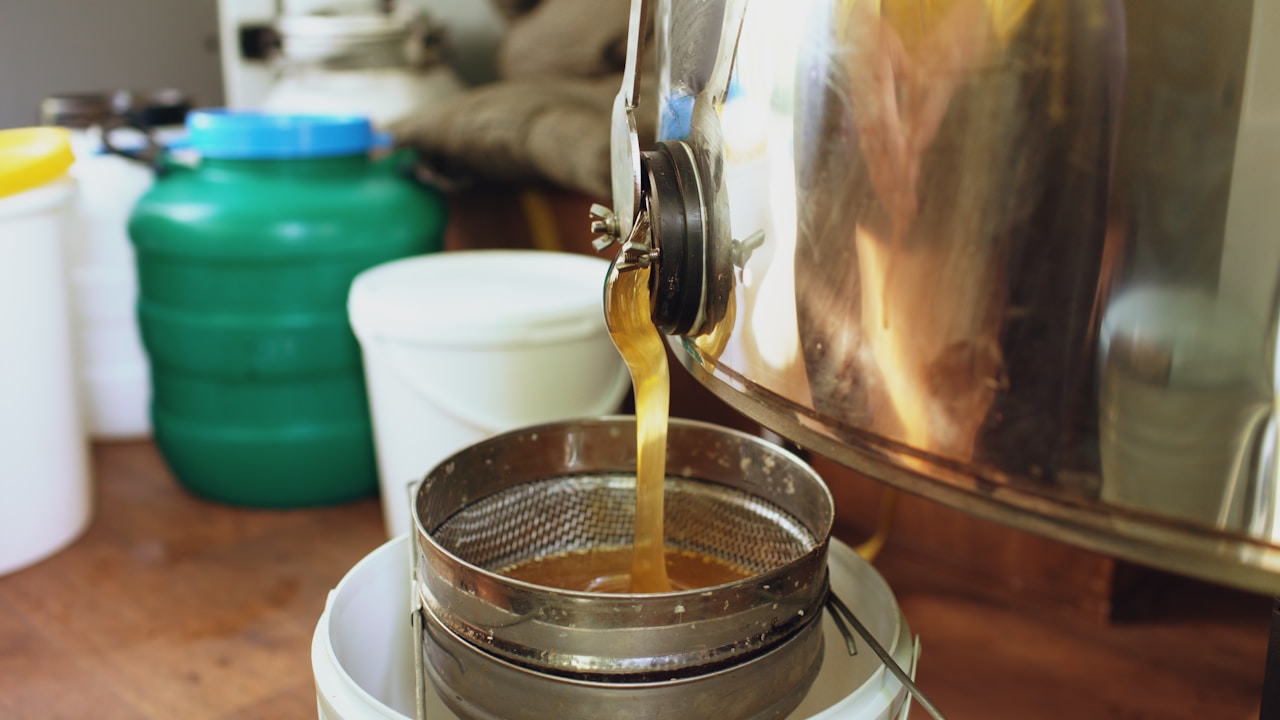
Measure teaspoons, not “a long drizzle,” and log it once if you are troubleshooting sleep, weight, or glucose patterns—sweet drinks hide everywhere. Sweeten after cooking when possible so heat does not drive extra aroma loss. Pair honey with fiber and protein—Greek yogurt, chia, nuts, oats—so the meal has a glycemic brake. Rotate with maple syrup, fruit purées, or mashed banana so antioxidant diversity does not collapse into a single-floral habit. If you track added sugar toward WHO-style free sugar limits, count honey in that bucket even when the label says organic. For infants, keep honey fully off the menu until the first birthday; for wounds, call a clinician before reaching into the pantry.
Bottom line: honey’s main “use” in the body is fast fuel from sugars, with trace vitamins and minerals and interesting phytochemicals layered on top—think of it as flavored sugar with a micronutrient whisper, not a multivitamin. The best-supported dietary pros are cough soothing for people older than one year and palatability inside an otherwise nutrient-rich pattern; the clearest cons are infant botulism risk, glycemic load, and dental exposure. Treat honey as a condiment-level sweetener with personality, not a miracle food—and let vegetables, proteins, and sleep do the heavy lifting for long-term health.