
Fiber fuels 70% of your gut microbes in 24 hours
Soluble fiber from lentils converts into short-chain fatty acids in a day, energizing immune cells and stabilizing inflammation.
Share this fact
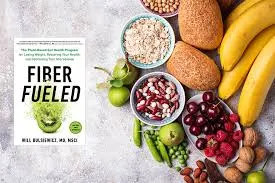
Lentils, chickpeas, and oats carry soluble fibers that reach the colon intact. There, resident microbes ferment the fibers into short-chain fatty acids (SCFAs) such as butyrate and propionate.
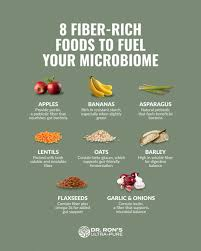
SCFAs become the preferred food for colon cells, seal the gut lining, and instruct T-cells to calm unnecessary inflammation. Clinical sensors show measurable jumps in SCFAs just 16 hours after a fiber-rich meal.
1. Fermentation timeline inside 24 hours
| Clock | What microbes do | How you feel |
|---|---|---|
| 0–4 h | Fiber reaches the ileum intact; bile acids start binding to beta-glucans. | Glucose curve flattens and satiety hormones rise. |
| 4–12 h | Bifidobacteria and Roseburia ferment lentil gums into acetate. | Less bloating than raw crucifers; soft stool forms. |
| 12–24 h | Butyrate peaks, colonocytes absorb it, tight junctions reinforce. | Cravings calm, HRV nudges upward, morning bowel movements feel complete. |
Keep a notes app handy: rate energy, digestion, and mood to see how the curve matches your meals.
To feel the effect:
- Add at least one cup of lentils, soaked overnight for easier digestion.
- Pair fiber with a little fat (olive oil) to slow absorption.
- Hydrate—each gram of soluble fiber wants ~10 grams of water to travel comfortably.
Fun check: a simple continuous glucose monitor trace will show flatter curves on high-fiber days because SCFAs nudge the liver to release glucose more steadily.
2. Layer fiber sources through the day
- Breakfast (07:30): Steel-cut oats + chia gel + sliced pear. Add cinnamon to keep fermentation gentle.
- Lunch (13:00): Lentil-barley soup with a tablespoon of extra-virgin olive oil to carry fat-soluble polyphenols to the colon.
- Snack (16:00): Roasted chickpeas dusted with smoked paprika; crunchy texture cues mindful chewing.
- Dinner (19:30): Millet pilaf with sautéed greens and a miso dressing for probiotic synergy.
- Wind-down (22:00): Psyllium husk stirred into warm almond milk for an overnight prebiotic bump.

3. Microbiome feedback board
| Signal | What it means | Tweak to try |
|---|---|---|
| Morning bloating | Fermentation happening too high in the gut. | Switch to well-cooked pulses and add fennel or asafoetida. |
| Flat energy afternoon | Not enough resistant starch to slow release. | Chill cooked potatoes or rice, then reheat to add RS3. |
| Stool too loose | Excess fructans or not enough binding fiber. | Fold in ground flax and a pinch of salt to meals. |
| Cravings at night | Liver glycogen dipping before bed. | Add a kiwi or half cup of berries to the bedtime fiber drink. |
4. Quick FAQ
Can I overdo fiber in one sitting? Yes—cap additions at 5 grams per meal per week to avoid sudden bloat.
What if I’m low-FODMAP? Choose canned lentils (rinse well), firm bananas, and rolled oats; they carry gentler oligosaccharides.
Do I still need probiotics? Fiber feeds existing microbes, but a probiotic can reseed strains after antibiotics; take it at a different meal so it survives transit.
How much water is ideal? For 30 grams of fiber, target 1.5–2 liters of water spaced through the day.
5. Biomarkers to track during a fiber reset
- SCFA breath markers: Portable hydrogen monitors should trend down within a week, showing fermentation moved deeper into the colon instead of the small intestine.
- Morning resting heart rate: Butyrate calms sympathetic tone; a 2–3 bpm drop after consistent fiber indicates vagal balance returning.
- hs-CRP and IL-6 labs: Recheck after six weeks of 30+ grams per day; a 10% decline often mirrors improved gut barrier integrity.
- Stool type log (Bristol scale): Aim for Type 3–4. A spike to Type 1 or 6 tells you to tweak hydration or resistant starch.
- Sleep score/HVR: SCFAs drive serotonin production; watch for steadier REM cycles or higher HRV as validation beyond digestion.
Keep data lightweight—snapshot biomarkers every Sunday and annotate what meals or stressors preceded the numbers.
6. Fiber escalator for cautious guts
- Days 1–3 (15 g target): Blend soups and use canned beans rinsed twice to lower FODMAP load. Add ginger tea between meals to vent gas.
- Days 4–7 (20 g target): Introduce 1 tablespoon chia pudding and a half cup of rolled oats. Walk 10 minutes post-meal to move fermentation downstream.
- Days 8–14 (25 g target): Layer in cooled rice or potato salad for resistant starch. Sip mineral-rich broth to keep electrolytes balanced.
- Days 15–21 (30 g target): Add raw components—finely shredded cabbage, apple skin, or carrot ribbons. Pair with kefir or yogurt to escort new microbes.
- Maintenance (30–35 g): Rotate legumes weekly (lentils → black beans → chickpeas) and keep one “prebiotic dessert” like stewed figs plus yogurt to close the day.
Use the escalator as a template—if bloating spikes, drop back one rung for 48 hours and reintroduce slowly rather than quitting fiber altogether.