200 mg cocoa flavanols open arteries in 90 minutes
A single mug of high-flavanol cocoa boosts nitric oxide and widens blood vessels long enough for a focused workout block.
Share this fact
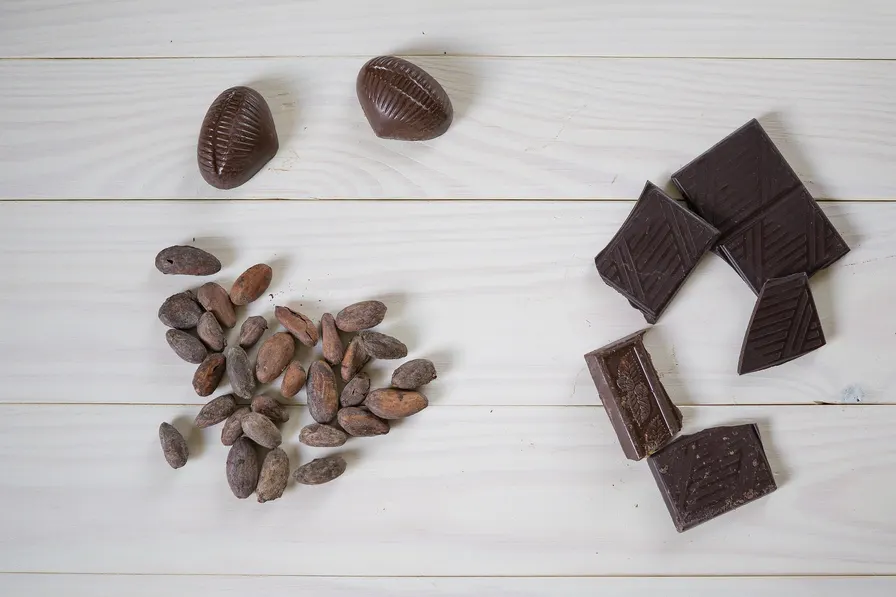
Choose cocoa powders labeled with at least 8% flavanols or use ceremonial cacao discs. Blend with hot water, a pinch of cayenne, and citrus zest to stabilize the polyphenols.
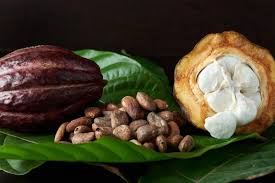
Avoid brewing with cow’s milk, which binds the flavanols. Oat or almond milk keeps absorption high. Most athletes feel warmer hands and sharper focus about an hour later.
Skip the drink after 3 p.m. if you are sensitive to caffeine—the flavanol dose pairs with about 25 milligrams of naturally occurring caffeine.
1. Flow timeline from sip to session
| Minute mark | Inside your body | What you notice |
|---|---|---|
| 0–20 min | Epithelial cells absorb epicatechin; nitric oxide synthase primes. | Breath feels deeper; no big stimulant surge yet. |
| 20–60 min | Plasma flavanol peaks; arteries dilate ~4–5% diameter. | Hands warm, smartwatch shows 2–3 bpm drop in resting heart rate. |
| 60–120 min | Nitric oxide remains elevated, mitochondria pull more oxygen. | Intervals feel smoother; recovery between sets shortens. |
2. Brew a reliable 200 mg cup
- Measure the powder: 12 g ceremonial cacao (roughly two discs) or 18 g high-flavanol powder typically hits 180–210 mg flavanols.
- Heat smart: Pour 250 ml water at 82–85°C; hotter water destroys epicatechin.
- Add stabilizers: Pinch of cayenne, citrus zest, and a teaspoon of date syrup guard polyphenols from oxidizing.
- Skip dairy proteins: If you want creaminess, blend in oat milk or cashew butter to keep absorption high.
- Stir last-minute: Froth right before drinking so fats don’t separate and coat flavanols.
3. Stack cocoa with your training ritual
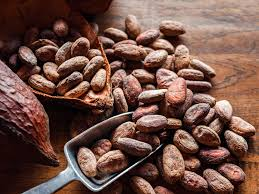
- Breath pairing: Perform box breathing (4-4-4-4) for five cycles while sipping; CO₂ tolerance plus flavanols magnify nitric oxide.
- Warm-up window: Start dynamic drills 30 minutes after sipping so peak dilation coincides with your first working set.
- Electrolyte assist: Add a pinch of sea salt to the cocoa or follow it with citrus water to keep plasma volume up.
- Evening modulation: If training late, halve the cocoa dose and add magnesium glycinate to offset the mild caffeine.
- Rest-day microdose: 50 mg flavanols (half cup) still support endothelial health without fully dilating vessels.
Track simple biomarkers—resting heart rate, perceived exertion (RPE), and grip strength—to prove the ritual actually moves blood flow metrics for you.
4. Timing ideas for different goals
- Powerlifting days: Sip 45 minutes before heavy squats so peak vasodilation hits during your top sets. Pair with beetroot chews for additive nitric oxide.
- Endurance rides: Split the 200 mg dose—drink half before warm-up, half mid-ride with a rice cake to keep absorption steady over multiple hours.
- Desk work focus: Use a 100 mg microdose with lion’s mane tea; expect easier flow-state sessions without jitters.
- Cold-weather runs: Cocoa-induced vasodilation keeps fingers warm; add ginger for thermogenic support.
- Recovery yoga: Take 50–75 mg alongside magnesium and L-theanine to increase circulation without elevating heart rate.
5. Quick FAQ
Can I stack cocoa with coffee? Yes—just keep total caffeine below 200 mg. Cocoa’s vasodilation can amplify coffee jitters, so test on a light training day first.
What if I have low blood pressure? Start with half the dose (100 mg) and monitor dizziness; cocoa can drop systolic pressure by 3–5 mmHg.
Does alkalized (“Dutch”) cocoa count? No. Alkalization strips flavanols; look for “non-alkalized” or “natural process” on the label.
Any interactions with meds? Cocoa flavanols can interact with MAO inhibitors and some antihypertensives. If you take blood pressure meds, check with your doctor and monitor readings the first week.
How to store the powder? Heat and oxygen degrade flavanols. Keep cacao bricks or powder in airtight tins away from sunlight and use within eight weeks of opening.